


Co-creation in Physical Retail: Benefits and How to Apply It 0 14

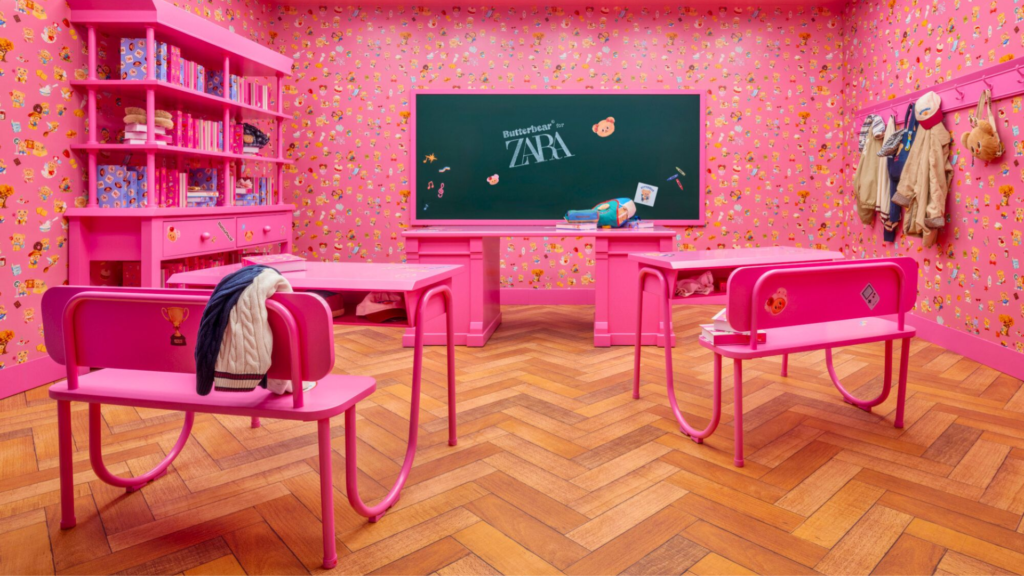
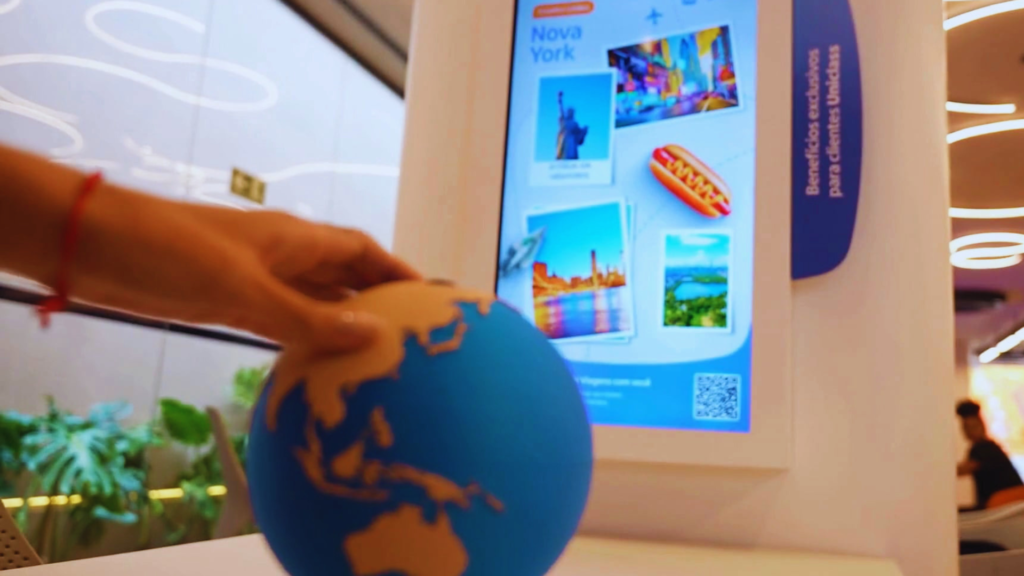
co-creation in retail with interactive digital screen and customer participation in store

Physical retail is going through one of the most challenging — and at the same time most exciting — moments in its history. In this context, co-creation in physical retail emerges as a key strategy to engage consumers and transform customer experience into a competitive advantage.

At the same time, the consumer has evolved. No longer a passive agent simply choosing from available options, today’s customer is an active participant in shaping the brands they engage with. They want to interact, personalize, contribute — and, above all, feel part of something bigger.

This is where co-creation in retail becomes highly relevant. More than a trend, it is a strategic approach that involves customers in the development of products, services, and experiences — transforming the purchase journey into a collaborative process.

The results go beyond theory. Brands that invest in customer engagement at the point of sale and collaborative processes are able to strengthen emotional connection, increase the sense of belonging, and drive customer loyalty in physical retail.

Co-creation in retail: why this strategy is growing

The concept of co-creation in retail has quickly gained relevance in the market, raising an important question: why is this strategy becoming so essential?

One of the main reasons is the shift in consumer behavior. Today’s customers seek more than convenience — they seek meaning. Instead of simply purchasing a product, they want to experience something aligned with their identity and lifestyle.

This shift is directly linked to the desire for protagonism. Participating in the creation of something — whether by customizing a product or influencing brand decisions — significantly increases perceived value.

In addition, the product is no longer the sole focus of purchase decisions. Experience now plays a central role. Investing in welcoming environments, personalized service, and memorable interactions has become essential in shaping the customer journey.

Co-creation in physical retail fits perfectly into this scenario because it transforms the act of purchasing into a more immersive experience. When customers participate in what they consume, the journey becomes unique — directly impacting customer loyalty.

Social media also plays a key role in this transformation. Today’s consumers are used to interacting constantly — liking, commenting, voting, reviewing, and sharing opinions. This participatory behavior extends beyond digital environments into physical retail spaces.

As a result, brands that successfully translate this logic into physical stores — encouraging active participation — significantly increase customer engagement at the point of sale. In this sense, co-creation in physical retail acts as a bridge between digital and physical, creating more connected and relevant experiences.

Co-creation in physical retail: how to apply it in practice

At first glance, implementing co-creation in retail may seem complex. However, there are practical and accessible ways to bring this strategy to life.

Interactive spaces inside the store

Creating interactive environments is one of the most effective ways to implement co-creation in physical retail.

Spaces for experimentation, customization, and product assembly allow customers to actively participate in shaping their own experience. Whether customizing an item or exploring different combinations, they move from being consumers to becoming co-authors.

This approach strengthens the retail experience and increases dwell time — a key factor directly linked to higher engagement and conversion rates.

Customer involvement in product development

Another powerful strategy is involving customers in product creation.

This can be done through product testing, voting systems for new launches, or limited editions developed with customer input. Many brands use social media to gather feedback and involve consumers directly in decision-making processes.

Beyond increasing engagement, this approach reduces risks, as decisions are based on real consumer demand. As a result, it positively impacts customer loyalty in physical retail.

Using technology to scale participation

Technology plays a crucial role in enabling co-creation in retail.

Tools such as interactive kiosks, QR codes, and mobile apps allow brands to collect feedback, preferences, and insights in real time.

These solutions make customer participation more scalable, structured, and measurable — while also integrating physical and digital environments to create seamless omnichannel journeys.

Co-creation based on real-time feedback

Listening to customers is essential — but acting on their feedback is what truly makes the difference.

Quick in-store surveys, direct communication channels, and interactions with staff provide valuable insights during the experience itself.

When customers realize their opinions have a real impact, engagement increases significantly, along with perceived brand value.

Collaborative events and activations

Workshops, in-store events, and interactive experiences are powerful ways to promote co-creation in physical retail.

These initiatives create deeper connections, where customers actively participate — whether by learning, contributing ideas, or co-developing products.

In addition to strengthening customer experience, these moments generate positive memories, which are key drivers of loyalty.

Co-creation in retail: real-world examples

The concept of co-creation in retail is already widely applied by leading brands.

For example, Havaianas allows customers to personalize their sandals in-store, choosing accessories and details to create unique products.

Another example is Natura, which developed the “Criando Natura” initiative. This program invites consumers to actively participate in product development through innovation challenges and collaborative platforms.

In both cases, the results are clear: increased engagement at the point of sale, stronger emotional connection, and higher levels of customer loyalty.

Creating together is what creates value

Co-creation in physical retail is no longer limited to digital environments. It has become a strategic response to evolving consumer behavior and market expectations.

By involving customers in building experiences and products, brands move beyond transactions and create deeper relationships based on engagement, belonging, and trust.

The benefits are clear:

  • Improved customer experience
  • Increased engagement at the point of sale
  • Stronger customer loyalty

Ultimately, the question is simple: in a world where consumers want to participate, brands that fail to create space for collaboration risk becoming irrelevant.

Inscreva-se em nossa Newsletter

Receba no seu email todas as novidades do nosso blog sobre tecnologia e varejo, além de ficar por dentro do novos projetos Alice Wonders.

Thank you for subscribing.

Something went wrong.

Previous Article

Deixe uma resposta

O seu endereço de e-mail não será publicado. Campos obrigatórios são marcados com *

Experience Personalization with AI-powered POS: Strategies That Work 0 312

AI-powered POS in physical retail

The use of AI-powered POS is transforming how consumers interact with brands in physical retail. Accustomed to personalized digital experiences, customers now expect the same level of relevance and convenience in-store.

In this context, personalization in retail is no longer just a trend — it has become a key competitive advantage for brands looking to stand out at the point of sale.

With the advancement of artificial intelligence across industries, retailers can now analyze data, identify behavioral patterns, and adapt interactions in real time within stores.

By integrating these capabilities into an AI-powered POS, brands can deliver more relevant and personalized experiences aligned with each consumer’s needs and preferences.

This evolution reflects the rise of smart retail, where data, technology, and consumer behavior converge to continuously improve the customer experience and drive measurable business results.

How AI-powered POS enables real-time personalization

Artificial intelligence has already reshaped industries, and retail is no exception.

In physical stores, AI-powered POS systems enable personalization strategies that were once limited to digital environments. Through data analysis and pattern recognition, AI can identify customer preferences, interests, and in-store behaviors.

When integrated into the point of sale, these intelligent POS systems can interpret data such as customer flow, dwell time in specific areas, and interactions with products or digital content.

These insights allow retailers to adjust messaging, offers, and experiences in real time — making decision-making more precise and impactful.

This approach is part of the broader shift toward smart retail, where stores become responsive environments capable of delivering more fluid and relevant customer experiences.

AI-powered POS strategies that work in retail

Implementing AI-powered POS does not mean adding complexity to the store — it means embedding intelligence seamlessly into the customer journey.

With AI-driven retail systems, retailers can dynamically adapt content, offers, and interactions based on the profile of the audience present in-store, creating a more coherent and frictionless experience.

Below are some proven strategies already used by brands:

Behavior-based product recommendations

One of the most common applications of AI-powered POS is behavior-based product recommendations.

These are driven by data such as:

  • Purchase history
  • App preferences
  • Previous product interactions

In-store, recommendations can appear through digital screens, interactive kiosks, or mobile apps.

By leveraging AI at the point of sale, brands improve product discovery and increase conversion rates.

Dynamic content and adaptive communication

Another key strategy is dynamic content powered by AI-enabled retail technology.

Digital signage and communication systems can automatically adjust messaging based on:

  • Time of day
  • Store traffic behavior
  • Audience profile

This ensures campaigns and offers are always contextual and relevant.

As a result, intelligent POS systems enhance communication efficiency and strengthen the overall customer experience.

Personalized offers at the point of sale

AI-powered POS also enables personalized promotions in physical stores.

By combining behavioral data and purchase history, systems can identify the best moments to deliver relevant offers during the shopping journey.

These offers can be delivered through:

  • Loyalty apps
  • Interactive displays
  • Digital touchpoints

With AI-driven retail systems, these interactions happen in real time, significantly increasing engagement and conversion.

The impact of AI-powered POS on business performance

Investing in AI-powered POS impacts both customer perception and business results.

More personalized interactions:

  • Increase engagement
  • Encourage product exploration
  • Influence purchase decisions

With intelligent POS systems, retailers can track performance using metrics such as:

  • Dwell time
  • Engagement ratesConversion rates

These insights demonstrate how AI-driven personalization directly contributes to measurable business outcomes.

AI-powered POS and data: transforming decision-making

The adoption of AI-powered POS is reshaping how retailers make strategic decisions.

Every interaction captured at the point of sale generates valuable data about customer behavior in physical environments.

This data helps identify:

  • High-interest products
  • High-traffic areas
  • High-performing content

By analyzing these insights, brands can optimize store layouts, communication strategies, and product displays.

Ultimately, AI at the point of sale turns data into action — making personalization a core pillar of retail strategy.

Inscreva-se em nossa Newsletter

Receba no seu email todas as novidades do nosso blog sobre tecnologia e varejo, além de ficar por dentro do novos projetos Alice Wonders.

Thank you for subscribing.

Something went wrong.

How Sensory Experiences Transform the Customer Journey in Physical Retail 0 394

sensory experiences in retail at Nike House of Innovation store

Sensory experiences are transforming the role of physical stores in retail. With the growth of e-commerce and the digitalization of consumption, brick-and-mortar spaces are no longer just points of sale — they have become environments for emotional connection, capable of delivering experiences that online channels still cannot fully replicate.

In 2021, market research company Opinion Box revealed that 95% of daily purchase decisions are driven by emotions. In this context, sensory experiences in retail play a key role in activating these emotional triggers and shaping consumer behavior.

Today, consumers expect more than products or services — they seek the feeling promised by a brand, the positive эмоtion, and the memorable experience created from the very first interaction.

In this scenario, investing in customer experience in retail is no longer a differentiator — it is a core strategy to attract, engage, and convert consumers who value meaningful brand interactions.

More than ever, brands are investing in sensory experiences in retail, using visual, auditory, and interactive stimuli to transform the in-store journey. Supported by point-of-sale (POS) technology, retailers can create dynamic, engaging environments that spark curiosity, increase dwell time, and strengthen the connection between brand and consumer.

This shift is driving a new store model, where the physical space evolves from a transactional environment into a space for discovery, relationship-building, and immersive sensory experiences in retail.

How sensory experiences influence consumer behavior and purchase decisions

In experiential physical retail, sensory experience strategies play a critical role in how consumers perceive the store environment and interact with products. Visual and auditory elements, when strategically designed, help create sensory experiences in retail that evoke emotions, stimulate curiosity, and influence decision-making throughout the customer journey.

With the support of POS technology, brands can transform physical spaces into dynamic and engaging environments, enhancing the retail customer experience and deepening emotional connections with the brand.

By integrating multiple sensory experience strategies, stores move beyond simple product displays to deliver immersive retail experiences that increase engagement and consumer interest.

Sensory experiences in retail: visual stimuli that guide the journey

Visual stimuli are often the first point of contact between consumers and the store environment. Digital screens, interactive storefronts, projections, and dynamic content are powerful tools to capture attention and generate interest from the very first moments.

POS technology enables brands to replace static materials with dynamic visual content that highlights products, showcases campaigns, and reinforces brand identity. Beyond visual impact, these elements also guide in-store navigation by highlighting categories, launches, and promotions.

When well executed, visual stimuli enhance the retail customer experience, making the environment more attractive and facilitating product discovery — a core principle of experiential retail.

Sensory experiences and sound: creating atmosphere and emotion

Sound plays a crucial role in shaping sensory experiences in retail. Music, sound effects, and acoustic design help create an atmosphere that influences how long consumers stay in-store and how they feel during their visit.

The choice of background music, for example, can reinforce brand positioning and make the space more inviting. Softer rhythms can encourage longer dwell time, while more energetic tracks can convey dynamism and modernity.

When combined with other POS technologies — such as audiovisual content and interactive experiences — sound becomes a powerful driver of immersive retail experiences.

As a result, the store environment evolves from a functional space into a strategic asset that enhances customer experience and positively influences purchasing decisions.

Sensory experiences as a brand strategy in retail

More than an aesthetic element, sensory experiences in retail have become a key strategy for brand positioning and perception, directly impacting the customer journey.

By combining visual, auditory, and interactive elements, brands can create environments that reflect their values, identity, and desired relationship with their audience — fostering emotional connection and customer loyalty.

In this context, the concept of Store Living emerges as a powerful approach. It reimagines stores as living, hybrid, and multifunctional spaces that go beyond product display to encourage interaction, connection, and discovery.

The integration of POS technology with sensory experience strategies enables increasingly engaging environments, strengthening emotional connections that go beyond the transaction and contribute to long-term brand perception.

The impact of sensory experiences in retail: engagement, dwell time, and conversion

Investing in sensory experiences in retail impacts not only brand perception but also business performance. More engaging environments increase dwell time, creating more opportunities for interaction with products and content.

Another study by Opinion Box, in partnership with Octadesk, found that over 87% of consumers value the overall experience when choosing a brand — not just the service itself.

This reinforces how sensory experiences directly influence consumer perception and purchase decisions. When combined with POS technology, they significantly enhance customer engagement.

Interactive features, digital content, and immersive environments stimulate curiosity and exploration, strengthening the retail customer experience and driving key performance indicators such as foot traffic, dwell time, and conversion rates.

By creating meaningful sensory experiences, brands transform store visits into memorable moments — contributing to both conversion and long-term customer loyalty.

The future of physical retail: immersive, connected, and experiential

As technology advances and consumer behavior evolves, physical retail is becoming increasingly experiential. Stores are no longer just spaces for transactions — they are becoming environments for connection, discovery, and brand engagement.

In this context, POS technology will continue to play a central role, enabling the integration of sensory experiences, interactive content, and consumer data to continuously enhance the retail experience.

The trend is clear: brands will increasingly invest in environments designed to deliver immersive sensory experiences, allowing consumers to explore, interact, and fully experience the brand proposition.

As these strategies evolve, sensory experiences in retail will consolidate as a key element in the future of physical stores — reinforcing their role as spaces of experience, connection, and value for both consumers and brands.

Inscreva-se em nossa Newsletter

Receba no seu email todas as novidades do nosso blog sobre tecnologia e varejo, além de ficar por dentro do novos projetos Alice Wonders.

Thank you for subscribing.

Something went wrong.

Most Popular Topics

Editor Picks

Send this to a friend