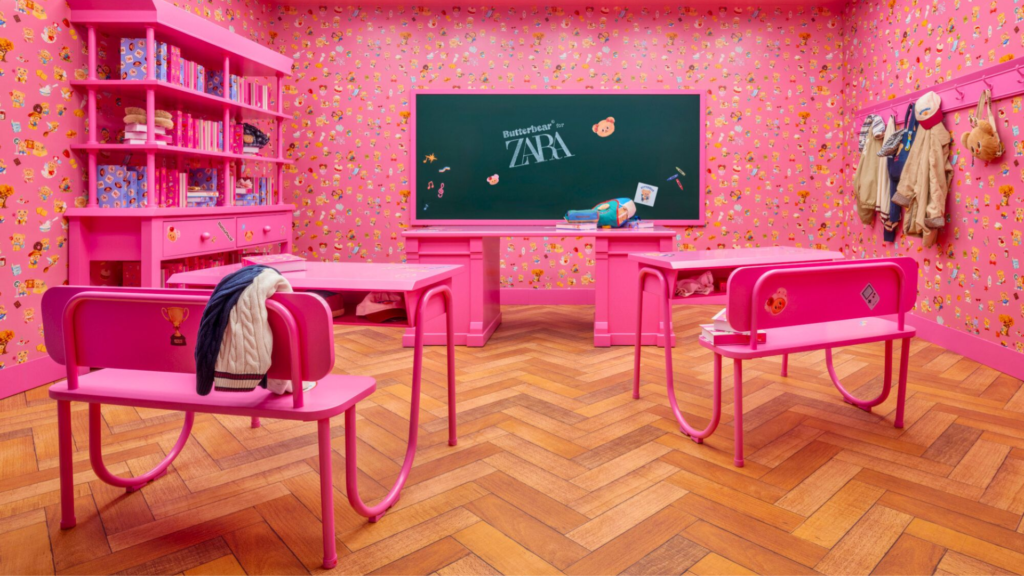





Store design has become a strategic factor in creating more fluid, intuitive, and memorable experiences in physical retail. More than simply displaying products, stores need to strengthen brand perception, create emotional connections, and improve the customer journey throughout the point of sale.
With this in mind, store design plays a central role in shaping customer experience and business performance. Even so, many retailers still make mistakes that directly impact the shopping journey.
Visually cluttered environments, confusing layouts, disorganized communication, and uncomfortable spaces can create frustration, reduce dwell time, and negatively affect conversion rates. In many cases, small structural mistakes end up compromising the entire retail customer experience.
For this reason, understanding the main mistakes in physical store design is essential to creating more strategic, efficient, and consumer-centered environments. In this article, we explore the most common flaws in physical retail and how to fix them to transform the point of sale into a more functional, enjoyable, and experience-driven environment.
Why does store design directly influence the shopping experience?
To begin with, it is important to understand that the physical environment influences far more than just the aesthetic side of an operation when we talk about the shopping experience. In retail, every element within the space — from lighting to circulation flow — affects how consumers perceive the brand, navigate the store, and make purchasing decisions.
That is why investing in store design also means investing in strategy, customer experience, and commercial performance. The in-store experience is built through visual, sensory, and functional stimuli. When the environment is intuitive and well planned, consumers feel more comfortable exploring products, spending time in the store, and interacting with the brand.
On the other hand, confusing or poorly designed environments create friction throughout the journey and may drive potential customers away. Within this context, concepts such as Store Living have gained relevance in retail by promoting more dynamic, fluid, and multifunctional stores capable of integrating experience, social interaction, and lifestyle into the same environment.
More than shopping spaces, stores are becoming connection points between consumers and brands, reinforcing the importance of designing physical environments strategically and centered on human behavior.
In addition, the physical space has become an important competitive differentiator in an increasingly omnichannel landscape. Today, consumers expect consistent experiences between physical and digital channels, making it even more important to think about the customer journey within the point of sale in an integrated and strategic way.
5 common store design mistakes that compromise the customer journey
There is a lot of discussion about strategies and best practices to improve the customer experience at the point of sale, but mistakes are also common — and understanding them is just as important in order to avoid them or know how to adjust the strategy if they happen. With that in mind, here are five key mistakes worth discussing:
Excessive visual information and disorganized communication
One of the most frequent mistakes in physical retail is visual clutter. Too many signs, promotional campaigns, colors, prices, and simultaneous messages make the environment difficult to read and cognitively overload consumers. Instead of simplifying the buying decision, the space creates confusion and a sense of disorganization.
Consumer neuroscience shows that visually overloaded environments increase cognitive effort and make decision-making more difficult. This means that when consumers receive too many stimuli at once, the brain tends to generate fatigue and discomfort, reducing dwell time and purchase intent.
When there is no clear communication hierarchy, customers struggle to identify priorities, locate categories, or understand relevant offers. This directly impacts the retail customer experience and reduces the store’s efficiency as a conversion environment.
To avoid this problem, it is essential to invest in strategic visual communication and a layout specifically designed for the business, with clearer messaging, better category organization, and a more balanced distribution of elements throughout the space.
Poor circulation flow and navigation difficulties
The store layout directly influences how people move, discover products, and interact with the environment. Narrow aisles, poorly positioned furniture, and congested areas compromise the fluidity of the experience and make navigation exhausting.
This type of issue is especially critical because it affects customer autonomy during the shopping process. When customers do not intuitively understand where to go or encounter obstacles along the way, they are more likely to reduce the amount of time spent in the environment.
This logic also connects with the Store Living concept mentioned earlier, in which the environment is no longer simply a space for quick circulation but instead encourages discovery, interaction, and longer stays.
To achieve this, store flow must be intuitive, comfortable, and designed to create a more natural and less tiring experience for consumers. Thinking about the customer journey within the point of sale means creating more fluid, accessible, and behavior-oriented spaces.
Inadequate lighting and an environment disconnected from the brand
Lighting is one of the most important factors in environmental perception and product presentation. Even so, many retail operations still rely on overly cold lighting, dark spaces, or generic illumination without considering the emotional impact of the experience.
In addition to harming comfort and visibility, an environment that does not align with the brand positioning can create disconnection throughout the experience. A premium store, for example, will hardly communicate sophistication in a visually uncomfortable or poorly lit environment.
According to the study Impact of Quality of Light on Retail Sales, strategic lighting can significantly increase perceived product value, improve customer experience, and directly impact retail sales performance.
This proves that proper lighting goes far beyond aesthetics. Lighting should be considered a strategic tool within store design, helping create more engaging atmospheres, directing customer attention, and reinforcing brand identity.
Lack of integration between physical and digital experiences
Even with the advancement of omnichannel retail, many brands still operate physical and digital channels separately. Inconsistent communication, disconnected promotions, and difficulties with exchanges or pickups compromise the experience and create frustration among consumers.
Today, customers expect continuity between channels. The experience must remain fluid regardless of the brand touchpoint. When this does not happen, retailers create a perception of disorganization and reduce trust in the operation.
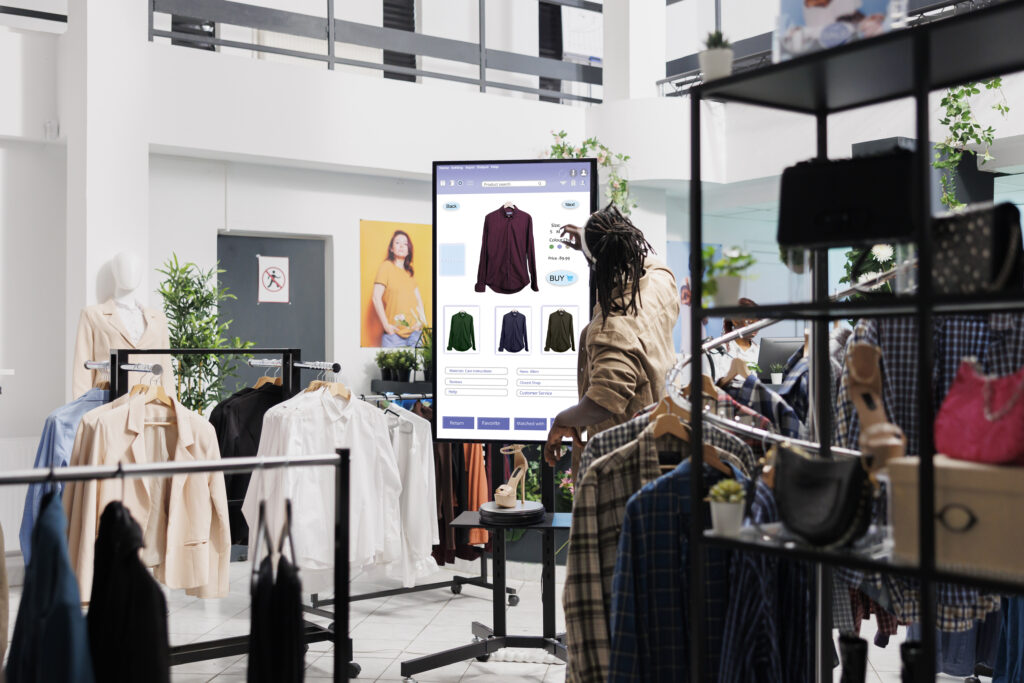
Technology also plays an important role in creating more fluid experiences within physical retail. Solutions such as digital signage, interactive maps, RFID, real-time inventory integration, and traffic analysis through sensors help brands better understand consumer behavior and optimize the customer journey inside the store.
For this reason, understanding how to improve the customer experience in physical retail also involves integrating technology, service, and communication more consistently across all channels used to attract, convert, and retain customers.
Uncomfortable and inaccessible environments
Another common mistake is ignoring comfort and accessibility factors. Tight spaces, excessive obstacles, uncomfortable temperatures, noise, or difficult circulation make the experience exhausting and unwelcoming.
In addition to affecting dwell time and perceived quality, non-inclusive environments limit access for different consumer profiles. This demonstrates a lack of attention to the real needs of customers and negatively impacts the shopping experience as a whole.
Creating more accessible, ergonomic, and intuitive environments is an essential part of any strategy focused on customer experience in retail. Consumers can clearly identify when a space has been designed to welcome people in a democratic and accessible way.
Like many other areas related to customer experience, there are several mistakes that can happen in physical store design. However, these are some of the most common ones and can already help create a clearer understanding of what to avoid and how to rethink strategies in order to deliver the best possible experience to consumers.
Transforming the physical space into a strategic, customer-focused experience
Correcting the main mistakes in physical store design does not necessarily require major renovations, but rather a more strategic perspective focused on behavior, experience, and functionality. In many cases, small adjustments in visual communication, flow, lighting, or ambience can significantly transform consumer perception.
In today’s landscape, physical retail must go beyond product display and act as a space for connection, discovery, and relationship-building. This requires projects that consistently integrate branding, architecture, customer experience, and consumer behavior.
In addition, the use of data and behavioral intelligence allows retailers to create more personalized and strategic in-store experiences. By analyzing circulation patterns, dwell time, and product interactions, brands can optimize layout, communication, and ambience with greater precision and focus on customer experience.
By understanding how to improve the customer experience in physical retail, brands can create more intuitive, enjoyable, and expectation-driven environments, strengthening perceived value, competitive differentiation, and business performance.
Inscreva-se em nossa Newsletter
Receba no seu email todas as novidades do nosso blog sobre tecnologia e varejo, além de ficar por dentro do novos projetos Alice Wonders.
Thank you for subscribing.
Something went wrong.
Respeitamos sua privacidade e levamos a sério a sua proteção