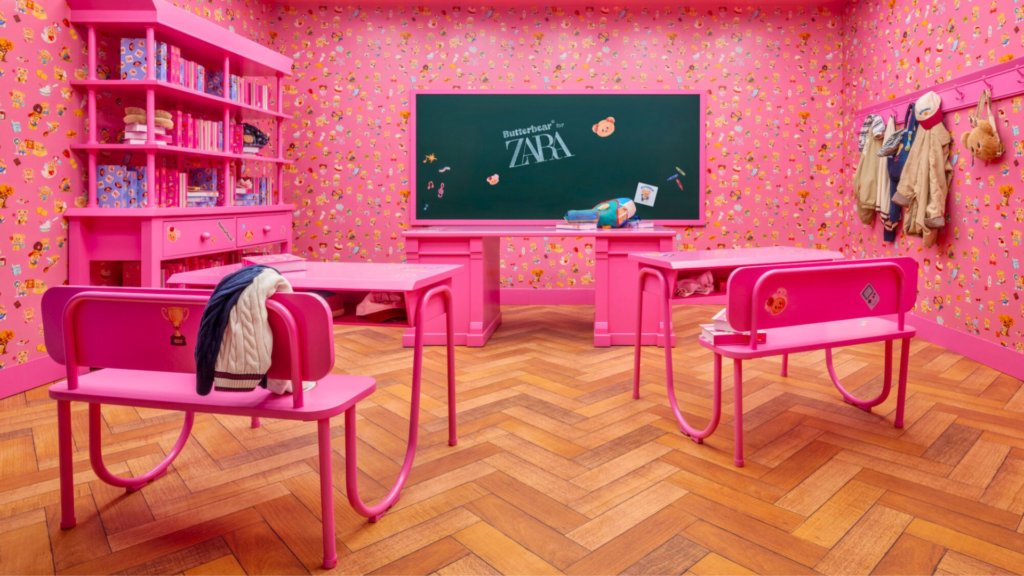




In recent years, changing consumer behavior has significantly reshaped the role of physical stores. In this context, hybrid experiences in retail — combining physical stores and augmented reality (AR) — have emerged as a key strategy to integrate the physical and digital worlds and enhance the customer journey.
Today, investing in customer experience in retail has become essential to attract, engage, and convert consumers. At the same time, advances in digital technologies have opened new possibilities for blending online and offline interactions within the store environment.
Hybrid experiences in retail, also known as phygital, are born from this convergence, combining physical presence with digital layers that expand the shopping journey. Among these innovations, augmented reality in retail stands out by enabling consumers to interact with products in a more dynamic and informative way.
By integrating AR into the physical environment, brands can deliver immersive retail experiences that enrich the customer journey and reduce friction in the decision-making process.
While online channels remain essential for sales, offline experiences play a powerful role in building emotional connection and long-term loyalty. That’s why understanding how to create hybrid experiences is critical for engaging modern consumers.
Hybrid experiences in retail: integrating physical stores and AR
To begin with, hybrid experiences in retail emerge from the integration of physical store environments with digital layers of interaction and information. In this model, customers still explore the space in person but gain access to enhanced digital content that expands their journey.
Augmented reality is one of the key technologies enabling this integration. Through smartphones, tablets, or interactive screens, consumers can access digital overlays such as product details, demonstrations, and 3D visualizations.
This approach strengthens the phygital experience, combining the sensory richness of physical retail with the informational depth of digital environments. As a result, hybrid experiences in retail become more interactive, personalized, and engaging.
How to create hybrid experiences with AR in-store
Augmented reality opens up new opportunities to transform the point of sale into a more interactive and informative environment. When applied strategically, hybrid experiences allow brands to add digital layers to the physical space, enabling customers to explore products and content in more dynamic ways.
When well executed, these experiences create immersive retail journeys that support decision-making and improve overall engagement.
Below are practical ways to implement AR-driven hybrid experiences in-store:
Interactive product visualization
One of the most common applications of augmented reality in retail is enabling customers to visualize products in a more contextualized and interactive way.
By scanning a QR code or marker, consumers can access AR content such as 3D models, usage demonstrations, and product variations in color, size, or configuration.
This enhances hybrid experiences in retail by providing richer information at the moment of decision, making the journey more engaging and educational.
Virtual try-ons and digital experimentation
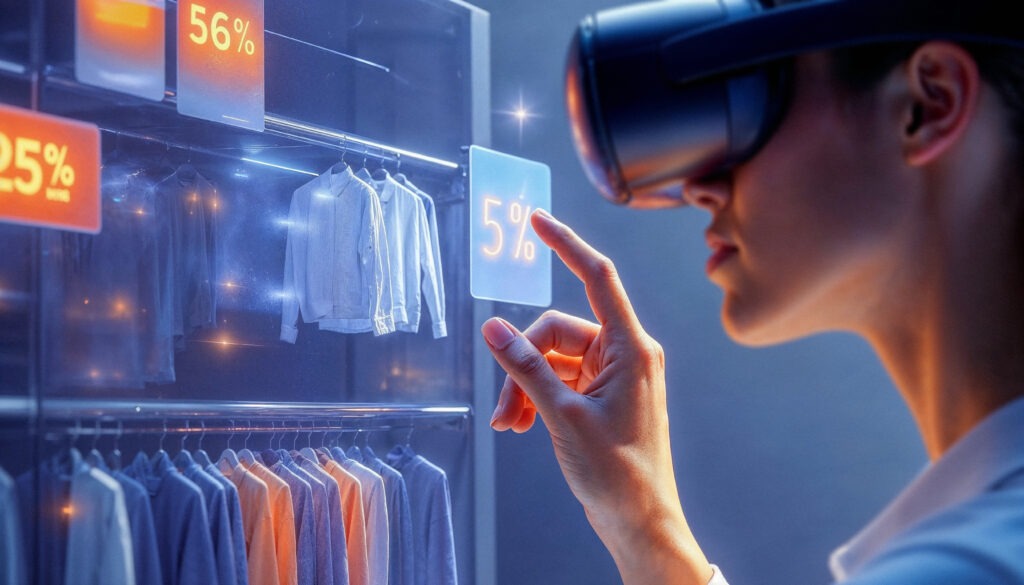
Another key application is virtual try-ons and digital product testing. Using smartphone cameras or smart mirrors, customers can see how products look on them or within real environments — without physically trying them on.
This is widely used in fashion, beauty, accessories, and home decor. By offering realistic previews, AR reduces uncertainty and increases confidence in purchase decisions, strengthening the effectiveness of hybrid experiences.
Interactive experiences and gamification at the point of sale
Augmented reality can also power interactive and gamified experiences in-store. Challenges, unlockable content, and AR-driven product discovery journeys encourage customers to explore different areas of the store.
These initiatives transform store visits into engaging experiences, reinforcing immersive retail strategies and emotional connections with the brand.
Hybrid experiences and data: generating insights in retail
Beyond enhancing customer experience, hybrid experiences in retail also provide valuable data for retailers.
Each interaction — whether scanning a product, engaging with AR content, or exploring digital features — generates insights into customer behavior, preferences, and navigation patterns.
This data allows brands to:
- Understand product interest
- Identify high-engagement content
- Optimize store layout and communication
This approach aligns with the concept of Story Listening, where brands move beyond storytelling to actively learning from customer behavior and interactions.
The future of retail is hybrid
The integration of physical environments and digital technologies points to a future where stores become increasingly hybrid and experience-driven.
Rather than serving solely as transactional spaces, stores are evolving into environments for discovery, interaction, and relationship-building.
In this scenario, hybrid experiences in retail will play a central role in shaping the future of customer journeys — combining information, entertainment, and product interaction in a seamless way.
As these strategies evolve, brands that successfully integrate AR and phygital experiences will be better positioned to create meaningful connections and drive long-term engagement.
Conclusion
At Alice Wonders, we believe the future of retail lies in the integration of physical and digital environments. By leveraging augmented reality and hybrid strategies, brands can create more interactive, intelligent, and customer-centric journeys.
Inscreva-se em nossa Newsletter
Receba no seu email todas as novidades do nosso blog sobre tecnologia e varejo, além de ficar por dentro do novos projetos Alice Wonders.
Thank you for subscribing.
Something went wrong.
Respeitamos sua privacidade e levamos a sério a sua proteção