



FIFA World Cup in Retail: How to Create Memorable Consumer Experiences
The FIFA World Cup in retail represents one of the greatest opportunities for brands to create emotional experiences and strengthen connections with consumers. During major global events like the FIFA World Cup, retailers are no longer competing solely for attention — they are competing for emotion.
More than a sporting event, the FIFA World Cup activates collective rituals, cultural identity, nostalgia, and shared memories. Consumers actively seek experiences that feel emotionally meaningful and worth sharing, both online and offline.
This behavior directly impacts the role of physical retail spaces. During the FIFA World Cup, shopping becomes more than a transactional activity. It becomes social, emotional, and experiential. Consumers are not simply looking for products associated with the tournament; they want to participate in memorable moments and create lasting memories.
In this context, experiential retail becomes increasingly relevant. Cultural events such as the FIFA World Cup create opportunities for brands to establish authentic connections with audiences. The goal is not simply to decorate stores around a theme, but to transform moments of collective excitement into meaningful and memorable experiences.
More than a trend, experiential retail reflects a shift in how consumers perceive value. The FIFA World Cup demonstrates how emotionally driven experiences can strengthen relationships between brands and their audiences.
FIFA World Cup in Retail: The Role of Store Design in Creating Immersive Experiences
Consumer behavior continues to reshape the purpose of physical retail spaces. In an environment where products can easily be purchased online, stores must offer more than convenience. They must create emotion, engagement, and connection.
This is where retail store design becomes strategic. Rather than serving a purely aesthetic function, store design helps build narratives and emotional experiences that strengthen brand perception.
During emotionally charged events such as the FIFA World Cup, this potential becomes even greater. Consumers seek experiences they can enjoy, share, and remember.
Experiential retail transforms stores into destinations for interaction, entertainment, and community. Through themed environments, interactive zones, social spaces, and immersive installations, brands can create more engaging customer journeys.
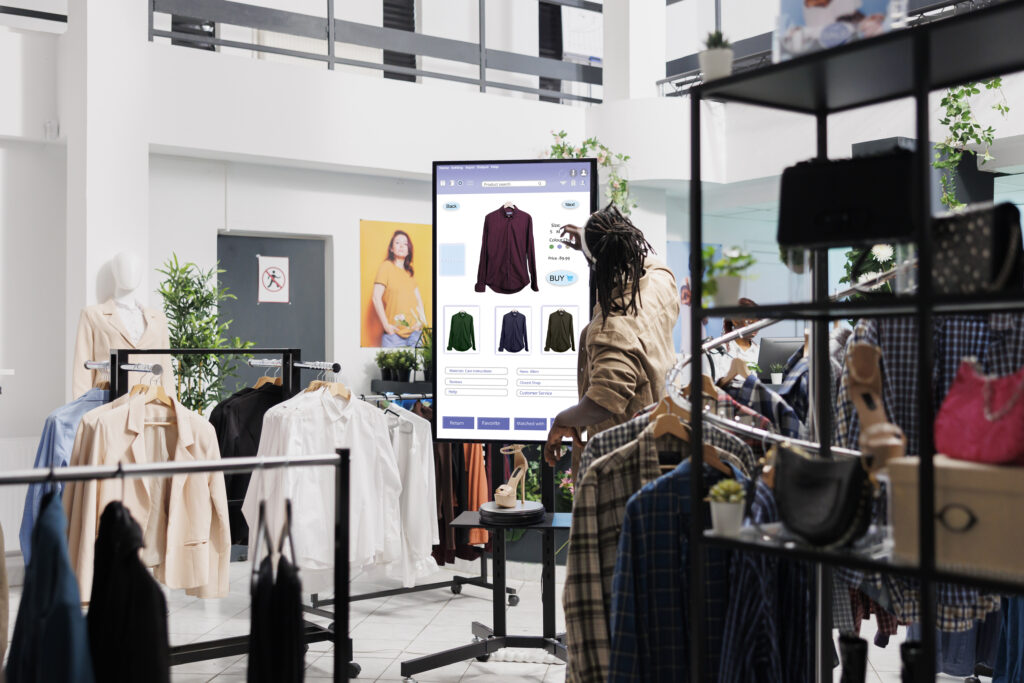
Technology and interactivity further enhance these experiences. Gamification, immersive rooms, digital activations, and interactive displays transform commercial environments into memorable and participatory spaces. These solutions increase dwell time while strengthening emotional connections with consumers.
Neuroscience helps explain why physical environments are so influential. The brain interprets spaces before rational purchasing decisions occur, meaning factors such as lighting, sound, spatial flow, and visual stimuli directly affect consumer perception.
For this reason, retail store design should be approached strategically and behaviorally. Rather than simply adding thematic elements, successful brands translate emotions into authentic experiences.
The concept of emotioneering highlights the combination of emotion, storytelling, and technology to create meaningful connections. Within this framework, experiential retail succeeds because consumers develop stronger relationships with feelings and memories than with products alone.
How to Create Relevant Activations Without Overusing Event Themes
The FIFA World Cup serves as a powerful example of how retailers can leverage major cultural events to create experiences that encourage engagement, emotional connection, and longer visits to physical spaces.
Experiences That Activate Emotion Create Stronger Memories
The FIFA World Cup creates a unique environment for retailers to explore emotion, belonging, and memory. Brands that invest in meaningful experiences during this period often build deeper and more memorable relationships with consumers.
Consumer behavior is far more emotional than rational. A significant percentage of purchase decisions are influenced by emotional and sensory triggers. Within this context, sensory marketing becomes a strategic tool for creating memorable retail experiences.
In physical retail environments, sound, scent, lighting, temperature, and texture contribute to atmospheres that influence mood, dwell time, and emotional connection. During culturally significant moments such as the FIFA World Cup, these stimuli gain even greater symbolic value.
Content developed by the Alice Wonders team during the online event held on May 22, titled “FIFA World Cup 2026: Let’s Create Activations That Make Noise Together”, reinforced how immersive experiences activate brain regions associated with emotional processing and memory retention. This explains why multisensory experiences remain in consumers’ minds long after the interaction ends.
In experiential retail, the objective is not to overwhelm visitors with stimuli, but to create emotional consistency between environment, narrative, and consumer behavior. Music can foster belonging, while scent and lighting influence perception and encourage longer stays.
Consumers are also more likely to share experiences that generate surprise and emotion. As a result, physical experiences become organic social media content, extending the emotional reach of the brand.
Multisensory Experiences and the New Consumer Behavior
Today’s consumers seek more participatory experiences. They do not simply want to observe; they want to interact, personalize, document, and share. This shift explains the growing popularity of immersive retail environments within experiential retail strategies.
Technology plays a fundamental role in this movement. Gamification, augmented reality, digital activations, and interactive installations transform physical spaces into dynamic and memorable experiences.
Insights from Alice Wonders also demonstrate how gamified activations and collaborative experiences use technology not merely as entertainment, but as a tool for human connection.
This trend reflects broader cultural shifts. Modern consumers increasingly value shared experiences, authenticity, and belonging. Sensory marketing contributes to creating journeys that feel more relevant and emotionally engaging.
The more senses are activated in a coherent way, the stronger the emotional impact tends to be. This ability to transform emotion into memory is what gives experiential retail its strategic value.
Authentic Experiences Matter More Than Visual Excess
During the FIFA World Cup, many retail campaigns rely heavily on football-themed visuals. However, consumers today are more attentive to authenticity, and simply adopting event-related imagery is no longer enough.
The true strength of experiential retail lies not in visual excess, but in creating experiences aligned with both brand positioning and consumer expectations. Major events should serve as cultural contexts rather than decorative themes.
In experiential retail, relevance is built through meaning. Consumers recognize when experiences are strategically designed and when they merely attempt to capitalize on temporary trends.
Retail store design plays a critical role in this process. Rather than creating visually overwhelming environments, physical spaces should function as extensions of brand storytelling. Lighting, atmosphere, technology, and sensory elements must work together to support a coherent experience.
The most successful immersive retail concepts balance narrative, interaction, and emotion naturally. Rather than simply referencing an event, they make consumers feel part of something larger.
Consumers Recognize Genuine Experiences
Authenticity has become one of the strongest drivers of consumer-brand relationships. Experiential retail must therefore move beyond superficial entertainment and focus on meaningful engagement.
The FIFA World Cup provides a strategic opportunity to observe how collective experiences generate belonging, nostalgia, and social connection. Brands can transform these emotions into experiences that reflect their identity and values.
Retail store design helps create this consistency because it directly influences emotional perception. More fluid, interactive, and welcoming environments encourage longer visits and spontaneous engagement.
Consumers also expect seamless integration between physical and digital channels. Experiential retail increasingly relies on shareable activations, gamification, and digital interactions that extend engagement beyond the store visit.
Neuroscience further demonstrates why authentic experiences create stronger impact. The brain responds more intensely to situations that generate genuine emotional identification and personal relevance.
The Impact of Memorable Experiences on Consumer Loyalty
In today’s competitive landscape, products and pricing are no longer the only differentiators. Brands compete for space in consumers’ emotional memories.
Experiential retail strengthens brand perception, increases recall, and builds deeper emotional relationships. Retail store design directly influences this process by creating environments that stimulate comfort, curiosity, interaction, and belonging.
According to Alice Wonders research, emotional connections increase sales and strengthen consumer loyalty. Memorable experiences are therefore not only branding tools but also drivers of business performance.
Physical retail has undergone a significant transformation in recent years. As convenience and competitive pricing become widely accessible online, stores increasingly focus on experience, relationships, and emotional connection.
Immersive retail environments continue to grow because consumers increasingly value meaningful in-person experiences. Concepts such as Third Places and Fourth Places reinforce the evolution of retail spaces into hubs for community building and social interaction.
Within this environment, experiential retail has emerged as one of the most powerful competitive differentiation strategies. Modern consumers are not simply seeking products; they are looking for stories, connection, and memorable experiences.
More than selling products, the future of retail will depend on brands’ ability to create meaning, belonging, and emotional memory.
The FIFA World Cup in retail demonstrates how major cultural events can transform physical stores into powerful spaces for engagement, relationship building, and long-term brand value.
Inscreva-se em nossa Newsletter
Receba no seu email todas as novidades do nosso blog sobre tecnologia e varejo, além de ficar por dentro do novos projetos Alice Wonders.
Thank you for subscribing.
Something went wrong.
Respeitamos sua privacidade e levamos a sério a sua proteção