


The concept of a Fan Zone in retail is transforming how brands use physical stores to drive engagement, emotional connection, and a sense of community. In a landscape shaped by digital consumption and the growth of e-commerce, companies are competing for something far greater than sales: attention, relevance, and long-term customer relationships.
It is within this context that the concept of a Fan Zone in retail is gaining momentum. Traditionally associated with sporting events, music festivals, and entertainment experiences, the Fan Zone model has emerged as a strategy capable of transforming the relationship between consumers and brands within physical environments.
This movement reflects a broader transformation in retail experience itself. Rather than purely transactional spaces, there is growing demand for environments capable of generating sensory stimulation, emotional connections, and shareable experiences.
As a result, the concept of the physical store as an experience hub has become increasingly important. While digital channels deliver convenience and speed, physical environments are taking on a strategic role tied to human interaction, emotional memory, and brand immersion.
In this scenario, the Fan Zone in retail emerges as one of the most effective strategies for transforming stores into spaces for relationships, engagement, and community building. Fan Zones represent one of the most compelling ways to make this vision a reality.
What Is a Fan Zone in Retail and Why Has This Concept Become So Relevant?
The Fan Zone concept first appeared at major sporting events, music festivals, and entertainment experiences. Its purpose was to create complementary environments around the main event, offering interactions, activations, content, and collective experiences that extended audience engagement. Over time, these spaces evolved from support areas into central elements of the overall experience.
The success of this model is directly linked to the sense of belonging it creates. In a Fan Zone, people are not simply consuming a product or attending an event—they are sharing emotions, creating memories, and reinforcing social connections. There is a strong emotional component embedded in these experiences, which is precisely what makes the concept so powerful for brands.
Neuroscience helps explain this behavior. Collective experiences tend to activate brain mechanisms associated with emotional rewards, social pleasure, and emotional memory formation. When consumers experience positive moments together, their brains naturally associate those feelings with the brand present in the environment. This increases perceived value, brand recall, and emotional affinity.
At the same time, consumer behavior has changed. Today’s audiences—especially digitally connected generations—are increasingly seeking authentic experiences and brands they can identify with. As a result, Fan Zone initiatives in retail have become highly relevant by creating experiences that foster identification and belonging. In this context, the concept becomes extremely strategic.
What was once limited to stadiums and festivals is now being applied to physical stores, pop-ups, trade shows, and hybrid spaces. Brands have realized they can leverage the principles of Fan Zones to create more vibrant, participatory, and relationship-driven environments. This fuels a new vision of retail experience in which consumers are no longer passive buyers but active participants in the brand story.
This trend is also closely connected to the concept of Fantailing, which is increasingly shaping discussions about the future of retail. Fantailing proposes a shift from traditional consumer relationships toward models built around fans, communities, and emotional engagement. Instead of simply selling products, brands create ecosystems of identity and belonging that strengthen loyalty and long-term relationships.
According to research highlighted by Harvard Business Review, brand communities strengthen feelings of belonging and increase consumer engagement, making emotional connection a significant competitive advantage for companies investing in in-person experiences.
Why Does Physical Retail Need to Become More Experiential?
Digital transformation has radically changed the way people shop. Today, almost any product can be purchased within seconds, with convenience and efficiency. The Fan Zone in retail responds to this challenge by transforming commercial spaces into meeting points between brands and consumers.
This is why the role of the physical store as an experience destination continues to grow. If consumers can satisfy functional needs online, physical environments must provide something digital channels cannot fully replicate: human interaction, sensory engagement, product exploration, and emotional connection.
This shift has fueled the rise of experiential retail, a model that transforms stores into spaces for entertainment, relationships, and emotional memory creation. More than selling products, physical locations now deliver meaningful experiences. This has become especially important as consumers increasingly value purpose, authenticity, and identification with brands.
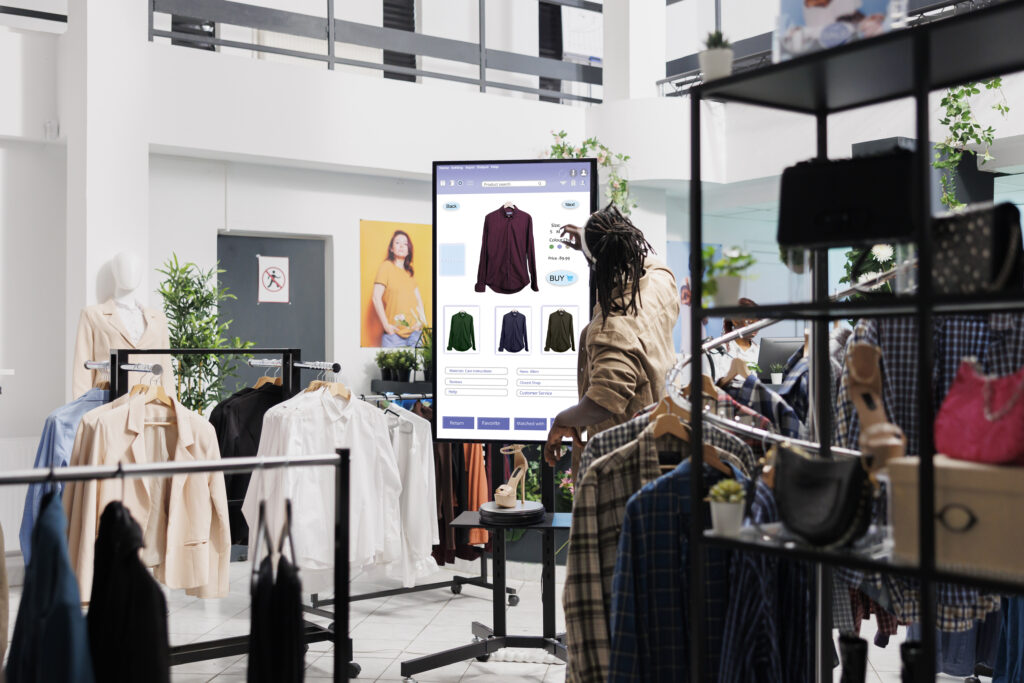
Technology also plays an important role in this transformation. Tools such as augmented reality, smart fitting rooms, gamification, data intelligence, and immersive activations help make retail experiences more personalized and engaging. However, technology alone is not enough. It is the combination of technology and human connection that truly strengthens the Fan Zone concept in retail.
In this context, the Fan Zone in retail emerges as a strategic solution for making stores more relevant and memorable. When brands successfully combine entertainment, interaction, and belonging, they create compelling reasons for consumers to spend time in physical spaces.
How to Implement a Fan Zone in Retail
Putting this concept into practice may seem complex at first, but several elements can be naturally integrated into the point of sale to create spaces that encourage exchange, admiration, and meaningful interaction between brands and consumers.
The Physical Store Becomes More Than a Point of Sale
Implementing a Fan Zone in retail is not simply about creating an attractive or “Instagrammable” space. The real value lies in developing environments that genuinely encourage social interaction, participation, and emotional connection.
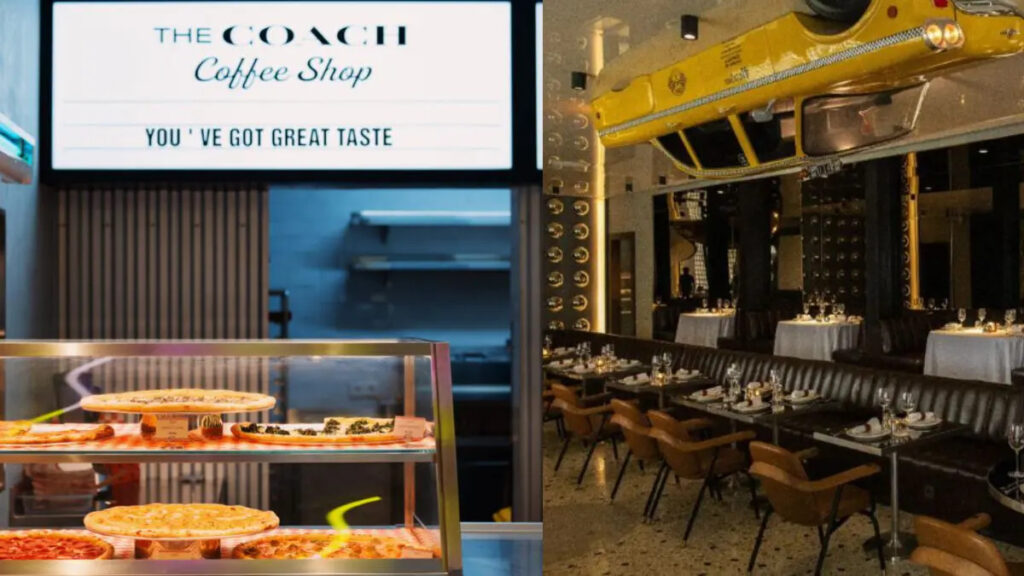
One of the most significant shifts in retail experience is the evolving role of the store itself. Physical spaces are no longer limited to product displays—they become social environments. Cafés, lounges, community areas, and interactive spaces encourage longer visits and make experiences feel more natural and comfortable.
Within this model, the physical store as an experience destination takes on a new dimension. It integrates lifestyle, relationships, services, and entertainment into a single environment. Consumers visit not only to shop but also as part of their routines and identities.
Participatory Experiences Strengthen Engagement and Connection
Participatory experiences play a critical role in community building. Workshops, sensory activations, themed events, live demonstrations, and immersive experiences transform consumers into active participants in the brand experience. These interactions deepen emotional involvement and reinforce perceptions of authenticity.
Gamification has also become an important tool within experiential retail. Interactive challenges, rewards, and engagement mechanics stimulate participation while creating more memorable experiences. From a neuroscience perspective, reward systems activate dopamine-related pathways associated with pleasure and motivation, increasing both engagement and emotional retention.
Technology and Personalization Drive Community Building
Rather than simply telling stories, brands must create experiences rooted in listening and understanding their audiences. In practice, this means using technology and data intelligence to adapt experiences based on consumer interests and preferences. Personalized recommendations, targeted activations, and real-time interactions make retail experiences more relevant and human.
Community building also depends on consistency. This is why many brands invest in recurring events, membership programs, exclusive experiences, and themed gatherings. The more continuous touchpoints a brand creates, the stronger the emotional relationship with consumers becomes.
In this environment, the Fan Zone in retail evolves beyond a one-time activation strategy and becomes an ongoing relationship-building tool. The store transforms into a space for interaction, shared experiences, and collective identity.
The Future of Retail Is Community-Driven
In an era defined by information overload and intense competition, brands that successfully build communities occupy a far more meaningful place in consumers’ lives. The physical store as an experience destination evolves from a commercial venue into a space for connection, interaction, and identity expression.
Despite all technological innovation, the most important differentiator will continue to be a brand’s ability to create authentic emotional connections. Ultimately, consumers do not simply want to buy products. They want to feel that they belong, participate in meaningful experiences, and connect with brands that reflect their identities.
This demonstrates that the future of experiential retail will become increasingly human-centered, relationship-driven, and community-focused. The growth of the Fan Zone in retail concept highlights how physical stores are taking on a new role within the consumer journey.
In this landscape, investing in retail experience means understanding that consumers seek emotional connection, interaction, and memorable moments. Competitive advantage is no longer found solely in products but in a brand’s ability to create meaningful experiences and foster communities.
By combining technology, personalization, entertainment, and human relationships, experiential retail transforms the traditional role of physical stores and strengthens long-term connections with audiences. The evolution of the Fan Zone in retail concept demonstrates that the future of brick-and-mortar retail lies in creating environments that encourage interaction, belonging, and emotional value.
In the future, the strongest brands will not necessarily be those that sell the most, but those that create meaning, connection, and belonging. In the new era of retail experience, consumers are no longer simply customers—they become active members of the communities brands build.
Inscreva-se em nossa Newsletter
Receba no seu email todas as novidades do nosso blog sobre tecnologia e varejo, além de ficar por dentro do novos projetos Alice Wonders.
Thank you for subscribing.
Something went wrong.
Respeitamos sua privacidade e levamos a sério a sua proteção