



More than spaces designed to sell products, stores have become environments for experience, relationship-building, and brand value creation. In an increasingly connected landscape, understanding the customer journey in physical retail has become essential for companies looking to improve competitiveness and drive better results.
Today, purchase decisions are no longer made only in front of the shelf. Consumers research online, compare prices on their smartphones, discover products through social media, and arrive at the store already carrying expectations around convenience, speed, and personalization.
In this context, even small friction points in the customer journey can directly impact brand perception and reduce in-store conversion. These frictions may seem harmless, but they increase customers’ cognitive effort and make the experience more exhausting.
At the same time, brands that successfully structure a more intuitive and integrated customer journey in physical retail increase dwell time, strengthen relationships, and improve conversion rates. This happens because experience directly influences behavior, emotions, and decision-making.
For this reason, experiential marketing in retail is no longer just a branding strategy — it now plays a central role in driving performance. Beyond creating visually attractive spaces, the goal is to develop experiences capable of reducing mental effort, simplifying choices, and strengthening emotional connection.
Why Friction Directly Impacts Conversion
The relationship between experience and performance has never been more evident in retail. In a market where convenience has become a basic expectation, any obstacle that creates frustration or additional effort can directly compromise in-store conversion.
The customer journey in physical retail is made up of multiple micro-moments of decision-making. Every interaction inside the store influences the consumer’s emotional perception — from the ease of finding products to the speed of checkout. When the experience becomes tiring, the brain naturally looks for shortcuts to reduce effort, increasing the likelihood of abandonment.
Customer journey friction emerges precisely in these moments of difficulty. It can be related to confusing store layouts, poor signage, excessive visual information, or a lack of integration between digital and physical channels. While these issues may appear operational, they directly impact both the experience and the brand’s perceived value.
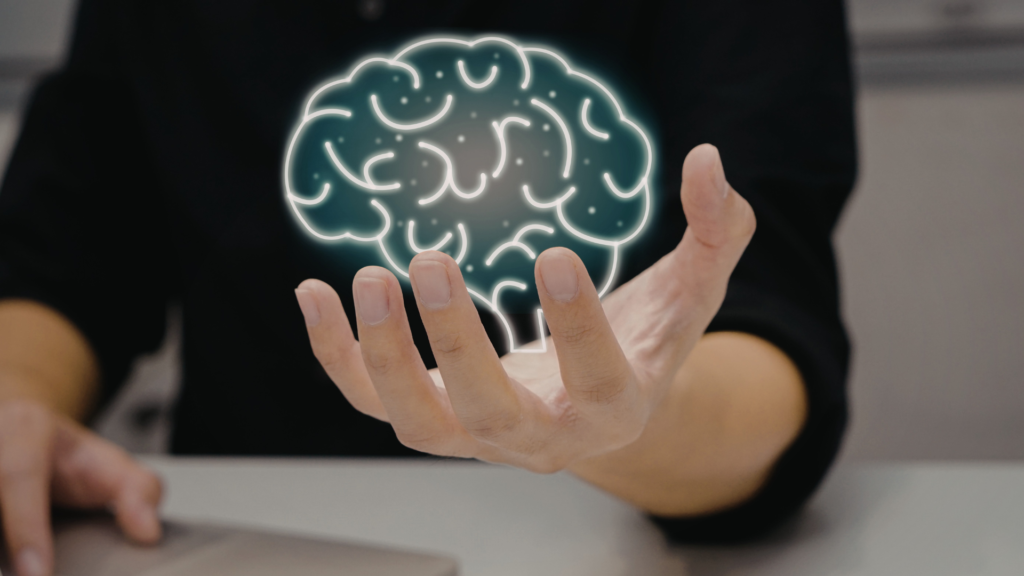
Neuroscience helps explain this behavior. The human brain constantly seeks to conserve mental energy. When consumers are forced to deal with too many stimuli or make multiple decisions in sequence, decision fatigue occurs. In these situations, people tend to abandon the purchase or choose faster and simpler alternatives.
This explains why organized and intuitive environments tend to generate more positive experiences. A well-designed store layout reduces cognitive effort, improves navigation, and enhances the perception of convenience. Disorganized spaces, on the other hand, increase feelings of anxiety and can compromise the entire experience.
In this scenario, experiential marketing becomes essential for creating smoother, more intuitive, and emotionally comfortable journeys. The lower the mental effort during the purchase process, the greater the chances of conversion.
How to Map the Customer Journey Inside Physical Stores
Before reducing friction and increasing conversion, retailers first need a deep understanding of the customer journey inside physical stores and the factors that directly impact the consumer experience. Only then is it possible to create more strategic business initiatives.
Data and Technology as Strategic Allies
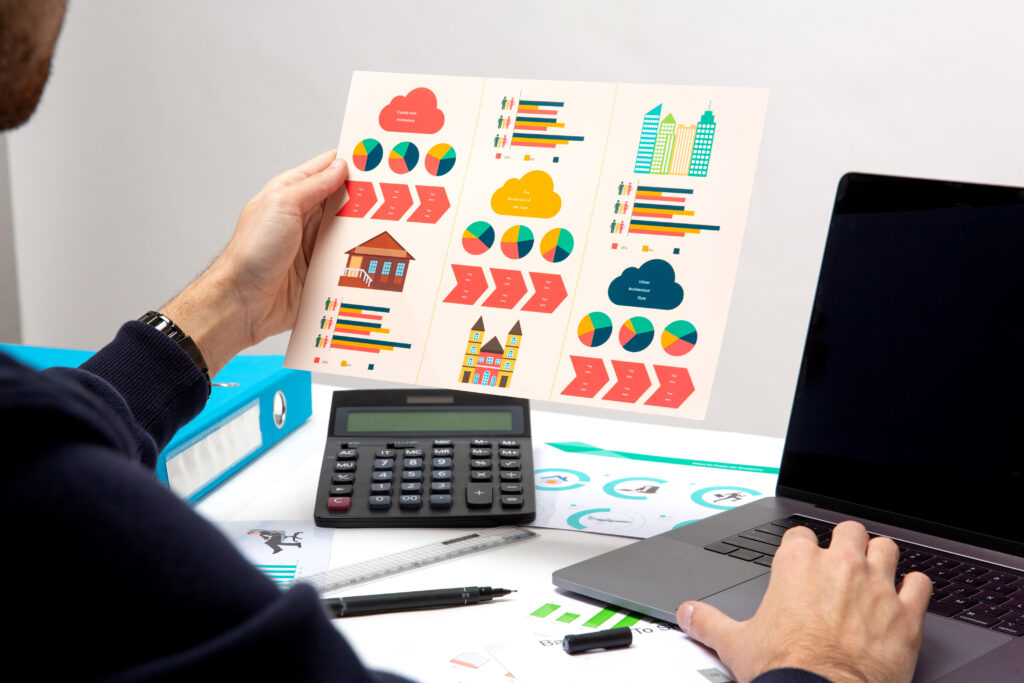
Today, technologies such as heatmaps, smart sensors, computer vision, and in-store analytics help retailers identify traffic patterns, dwell time, and high-interest areas. These tools make it possible to understand where consumers slow down, which spaces create confusion, and when abandonment rates increase.
Technology further strengthens this process. CRM platforms, artificial intelligence, and predictive analytics help retailers interpret behavior in real time and adapt experiences more strategically. The greater the integration between physical and digital data, the lower the friction throughout the customer journey.
Store Layout Directly Influences Decision-Making
In this context, store layout plays a strategic role. When circulation feels intuitive and products are organized logically, consumers find solutions more easily and tend to spend more time inside the environment. A disorganized store layout, however, increases cognitive effort and makes decision-making more difficult.
Within retail experience strategies, the physical space works almost like a navigation interface. Just as with apps and websites, the experience must feel fluid and intuitive. Every detail of the environment influences behavior, value perception, and in-store conversion.
Story Listening: Listening to Consumers Becomes Part of the Experience
Beyond quantitative analysis, understanding consumer emotions and perceptions is equally essential. Satisfaction surveys, behavioral observation, interviews, and comment analysis help brands identify pain points that often do not appear in operational reports.
In this context, the concept of Story Listening gains relevance within experiential marketing. More than simply telling stories to consumers, brands begin actively listening to customers through behaviors, interactions, and data. This approach enables experiences that align more closely with real customer expectations.
Strategies to Reduce Friction in the Customer Journey
Now that we understand the customer journey and the possible friction points affecting in-store experiences, it is time to implement strategies designed to reduce these barriers.
How Store Layout Influences Behavior and Dwell Time
After mapping behaviors and identifying bottlenecks, the next step is implementing strategies capable of making the experience more intuitive and efficient. More than improving aesthetics, the goal is to reduce cognitive effort, simplify decisions, and increase in-store conversion.
One of the main strategies involves optimizing store layout and circulation flow. The physical environment directly influences consumer behavior, dwell time, and interaction with products. A strategic layout creates natural navigation paths, facilitates product discovery, and reduces feelings of effort.
When consumers quickly understand the organization of the space, the experience becomes smoother and more enjoyable. On the other hand, excessive visual stimuli, disorganized aisles, and poor signage increase fatigue and may lead to abandonment.
Beyond functionality, sensory elements also strongly influence behavior. Lighting, music, scents, and spatial organization impact emotions, memory, and perceived value. This reinforces the role of experiential marketing in creating more immersive retail environments.
Neuroscience and Decision-Making in Physical Retail
Another important strategy is simplifying decision-making. Consumers tend to buy faster when they can understand value quickly and clearly. Clear visual communication, intelligent categorization, and intuitive organization help the brain process information with less effort.
Neuroscience shows that organized environments reduce cognitive overload and increase feelings of comfort. In this context, store layout once again becomes strategic by improving navigation and product discovery.
Reducing checkout friction is also essential to improving the customer journey in physical retail. Even after a positive experience, slow or bureaucratic processes can negatively impact the final perception of the brand.
This is why solutions such as contactless payments, self-checkout, PIX alternatives, and simplified pickup systems help reduce waiting times and increase convenience. Within retail experience strategies, speed is also part of the experience. Consumers expect fast and integrated processes, especially in omnichannel journeys.
Omnichannel and the Human Role in Customer Experience
The integration between online and offline channels has become indispensable for reducing customer journey friction. Today, consumers expect continuity across every brand touchpoint.
Omnichannel strategies such as click-and-collect, integrated inventory, QR codes, and data-driven personalization help create smoother and more connected experiences. In addition, concepts such as ROPO (Research Online, Purchase Offline) demonstrate how digital environments directly influence in-store conversion.
Even with technological advancement, the human factor remains decisive. Sales associates are no longer purely operational professionals — they have become facilitators of the experience. Consultative service, personalization, and agility directly influence brand perception and purchase intent.
In addition, sales associates equipped with technology can access purchase history, verify inventory in real time, and deliver more contextualized experiences. In the world of retail experience, human connection remains one of the most important competitive differentiators.
The Future of the Customer Journey in Physical Retail
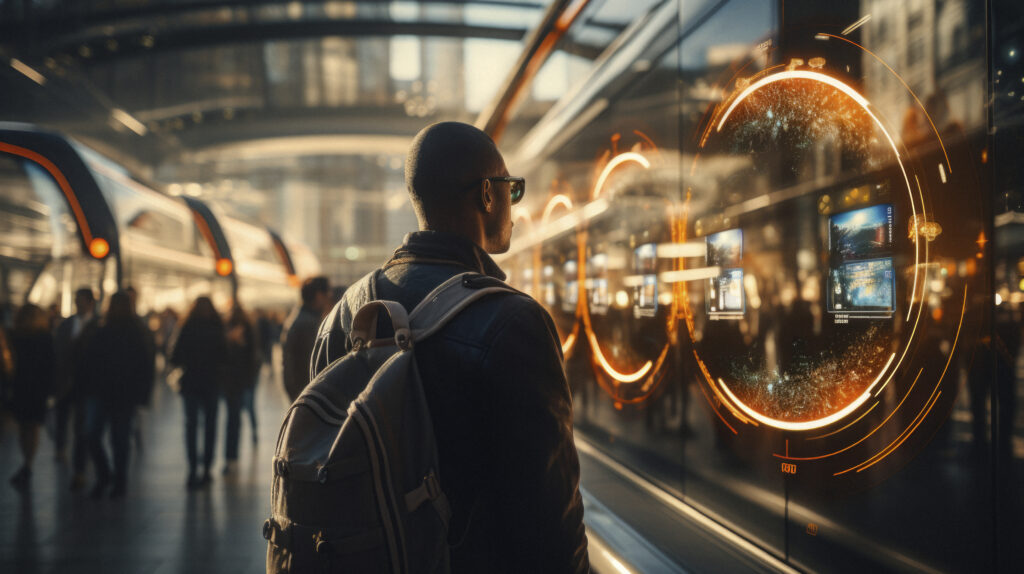
The future of retail will become increasingly connected, intelligent, and data-driven. Technologies such as artificial intelligence, automation, predictive analytics, and computer vision are expected to transform the customer journey in physical retail even further.
Real-time personalization will likely become one of the industry’s main competitive advantages. Based on behavior, preferences, and purchase history, brands will be able to adapt experiences, offers, and communication more dynamically.
At the same time, the evolution of phygital retail will continue reducing the barriers between online and offline channels. More connected stores, immersive experiences, and full channel integration are expected to redefine the concept of retail experience in the coming years.
However, although technology will continue gaining importance, consumers will still seek human, intuitive, and emotionally relevant experiences. Innovation will not replace experience — it will function as a tool to make it more efficient, personalized, and memorable.
In this scenario, brands capable of reducing customer journey friction, structuring integrated experiences, and using data strategically will have greater chances of increasing in-store conversion and strengthening long-term customer relationships.
More than selling products, physical retail is now competing through its ability to create fluid, relevant, and emotionally connected experiences. In doing so, brands begin valuing not only purchase decisions, but also the consumer’s most valuable asset: time.
Inscreva-se em nossa Newsletter
Receba no seu email todas as novidades do nosso blog sobre tecnologia e varejo, além de ficar por dentro do novos projetos Alice Wonders.
Thank you for subscribing.
Something went wrong.
Respeitamos sua privacidade e levamos a sério a sua proteção