

Retail design that drives emotional impact and customer loyalty 0 257

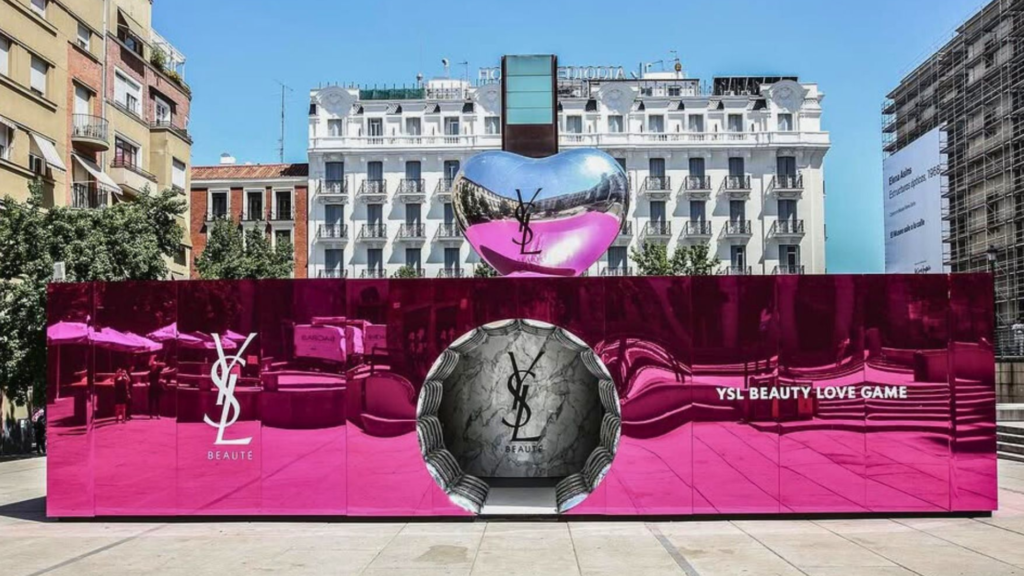
retail design in physical store experience

In today’s retail landscape, retail design is no longer just about aesthetics — it plays a strategic role in shaping customer experience and influencing purchasing decisions. Every element of a physical space, from lighting and materials to layout and ambiance, communicates brand values and positioning.

Because of this, retail design has become a powerful tool to create meaningful brand experiences at the point of sale and directly impact how consumers perceive and connect with a brand.

Consumer emotions are deeply tied to their in-store experiences. Research by Harvard Business School professor Gerald Zaltman indicates that 85% to 95% of purchasing decisions are driven by subconscious and emotional factors.

This reinforces the importance of creating emotional impact in physical retail environments. When done right, retail design goes beyond selling products — it creates identification, builds emotional connection, and delivers memorable brand experiences.

Strategies such as sensory retail experiences play a key role in this process, enhancing emotional engagement and strengthening the relationship between brand and consumer.

Retail design: how layout strategy guides the customer journey

Strategic layout is one of the core pillars of retail design, as it defines how customers navigate the space, interact with products, and experience the store.

More than just organizing a physical environment, layout acts as a silent guide throughout the customer journey.

When well executed, it:

  • Improves customer experience
  • Increases dwell time
  • Expands conversion opportunities

Strategic product placement

Product placement has a direct impact on purchasing behavior. High-margin or new items are typically positioned in high-visibility areas, while complementary products are placed nearby to encourage cross-selling.

This approach transforms retail design into a business driver, optimizing results without compromising the customer experience.

Creating focal points

Visual elements such as in-store displays, featured areas, and scenographic installations act as attention drivers within the store.

These elements create natural pauses in the journey and direct attention to key products or campaigns, while also reinforcing immersive and engaging brand narratives.

This is where immersive retail experiences become essential, transforming stores into spaces of discovery and interaction.

The evolution to Brand Ship Store

When discussing retail design, it is essential to consider the evolution toward the Brand Ship Store concept — a model that goes beyond traditional flagship stores.

In this approach, the store becomes a complete experience platform, integrating design, technology, services, and content.

Layouts shift from functional to narrative-driven, incorporating thematic environments, interactive areas, and social spaces that deepen brand connection.

Retail design for loyalty: from experience to recurrence

In modern retail, making a sale is just the first step. The real challenge lies in turning occasional customers into loyal advocates.

In this process, retail design plays a strategic role by creating environments that foster emotional connections.

Customer experience in retail is influenced by multiple factors, including store atmosphere, navigation flow, and ease of interaction. Well-designed spaces reduce friction, enhance comfort, and encourage longer visits.

This increased dwell time strengthens engagement and allows consumers to fully experience the brand — not just purchase from it.

Consistency is also critical. When retail design clearly reflects brand identity, it builds trust and reinforces credibility — key drivers of loyalty.

Additionally, positive in-store experiences encourage repeat visits. Environments that inspire, engage, and simplify navigation create a natural path toward long-term relationships.

The future of retail design: immersive, connected, and experiential

As consumer behavior evolves, physical stores are becoming spaces for connection, experimentation, and engagement.

This shift expands the role of retail design, integrating experience, technology, and lifestyle into a unified ecosystem.

Concepts like Store Living illustrate this transformation — where stores become multifunctional environments that go beyond transactions.

These spaces may include:

  • Social areas
  • Events
  • Interactive experiences
  • Personalized services

This approach aligns with the concept of phygital retail, blending physical and digital experiences to create more dynamic and relevant journeys.

Additionally, the integration of digital tools — such as interactive screens and personalization technologies — enhances in-store engagement and adaptability.

In this context, retail design becomes a strategic connector between brand, space, and consumer.

Conclusion

The future of physical retail lies in creating meaningful, emotionally driven experiences.

More than just points of sale, stores are evolving into platforms for connection and brand storytelling.

When strategically applied, retail design transforms environments into powerful tools for engagement, differentiation, and long-term customer loyalty.

Inscreva-se em nossa Newsletter

Receba no seu email todas as novidades do nosso blog sobre tecnologia e varejo, além de ficar por dentro do novos projetos Alice Wonders.

Thank you for subscribing.

Something went wrong.

Previous ArticleNext Article

Deixe uma resposta

O seu endereço de e-mail não será publicado. Campos obrigatórios são marcados com *

Omnichannel in Physical Retail: Best Practices for 2026 0 158

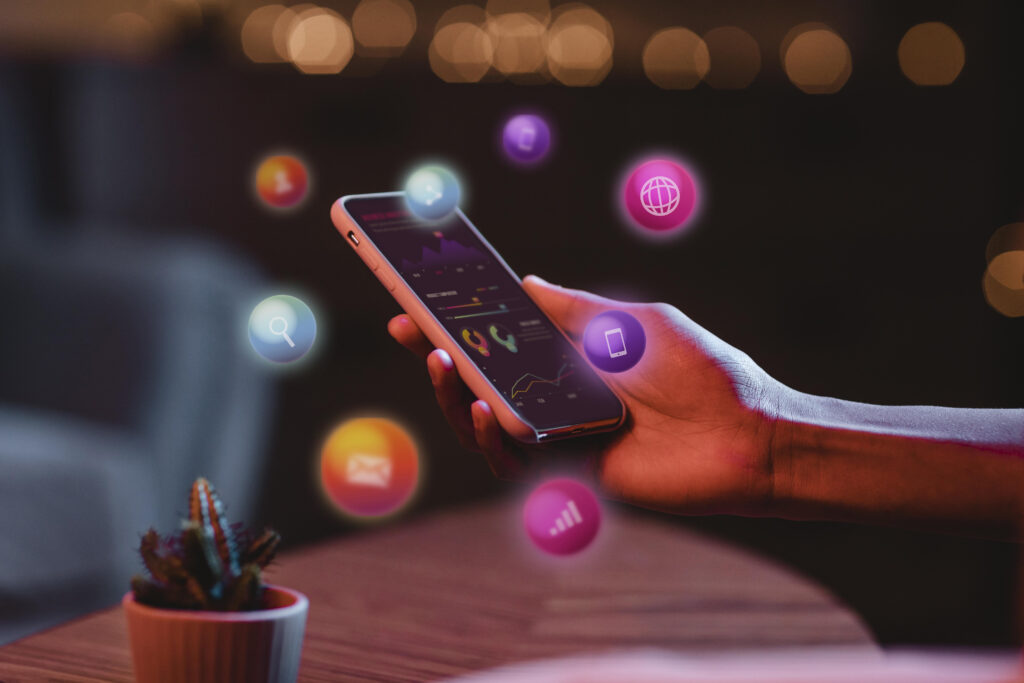
omnichannel retail experience with mobile and digital channel integration

Omnichannel retail is no longer a trend — it has become a strategic growth infrastructure. In a landscape where consumers naturally move between digital and physical channels, expectations have shifted from convenience to continuity.

The omnichannel customer journey is now fluid, hybrid, and highly contextual. This transformation requires brands to rethink how they design experiences across touchpoints. As a result, physical stores are no longer just transactional spaces — they have evolved into environments for relationship-building, discovery, and brand value creation.

The integration of online and offline channels in omnichannel retail is redefining the role of commercial spaces, transforming them into hubs for experience, logistics, and media. More than a technological shift, this evolution reflects the ability of brands to deliver consistent and connected experiences across all interactions.

Today, the omnichannel retail experience is no longer perceived as a competitive advantage — it is a baseline expectation. Brands operating with fragmented systems increasingly struggle to meet the demands of consumers driven by convenience, personalization, and speed.

What omnichannel retail means in practice in 2026

With the growing digital maturity of the market, omnichannel retail has evolved from a strategic ambition into an operational necessity.

In 2026, integration is no longer about being present across multiple channels — it is about building continuous, data-driven experiences centered on customer behavior.

This shift introduces the concept of Story Listening, an evolution of traditional storytelling. Instead of simply broadcasting brand narratives, companies actively listen to customers through data, interactions, and behavioral patterns.

As a result, the omnichannel journey becomes a collaborative narrative, where each touchpoint contributes to personalization. This approach allows brands to develop more precise omnichannel strategies, anticipate needs, and reduce friction throughout the journey.

At the same time, physical stores — integrated with digital channels — become sensory and relational environments capable of translating insights into tangible experiences. This transforms omnichannel retail into a dynamic ecosystem where data and experience continuously reinforce each other.

Best practices for omnichannel retail in physical stores

To move from strategy to execution, omnichannel retail requires a structured architecture that integrates technology, processes, and experience.

In a market where the customer journey is non-linear and hybrid, brands must implement practices that reduce friction and ensure continuity across channels.

Unified and visible inventory as the foundation

A truly integrated omnichannel retail strategy begins with full product visibility.

Fragmented inventory systems remain one of the biggest barriers to seamless experiences. Solutions such as:

  • Ship-from-store
  • Endless aisle
  • Smart click & collect

transform physical stores into fulfillment and convenience hubs.

By ensuring consistent information across channels, brands reduce friction and enhance operational efficiency — key drivers of successful omnichannel execution.

Data integration and omnichannel CRM

Another critical pillar of omnichannel retail is building a unified customer view.

Centralizing behavioral and transactional data enables brands to create more personalized and contextual experiences. Customer interaction history becomes a strategic asset, guiding marketing, sales, and engagement decisions in real time.

When online data is effectively translated into in-store experiences, brands significantly increase relevance and efficiency across touchpoints.

Seamless cross-channel experiences

A successful omnichannel retail experience depends on eliminating friction between channels.

Processes such as:

  • Returns
  • Exchanges
  • Customer support
  • Checkout

must be fully integrated.

When experiences are consistent, perceived effort decreases, trust increases, and customer loyalty strengthens.

Invisible technology, tangible experience

Digital transformation in retail should prioritize reducing friction while enhancing usability.

Technologies such as:

  • Frictionless payments
  • Digital assistants
  • In-store recommendation systems

enable a more natural and intuitive experience.

By making technology less visible and more functional, brands shift the focus back to the customer experience — a key principle of modern omnichannel retail strategy.

Physical stores as media and relationship platforms

At a mature stage, omnichannel retail transforms stores into platforms for content, engagement, and community building.

The in-store experience expands beyond transactions to include:

  • Events
  • Services
  • Brand activations

This redefines the role of physical retail as a continuous discovery environment.

By combining commercial and symbolic dimensions, brands create memorable experiences that foster long-term relationships and emotional connection.

Metrics that validate omnichannel retail strategies

Implementing strategies is only part of the equation — measuring them is essential.

Traditional KPIs are no longer sufficient to capture the complexity of omnichannel retail interactions.

Key metrics include:

  • Customer effort score
  • Store-assisted conversion rate
  • Omnichannel customer lifetime value

These indicators go beyond sales, providing insights into the quality of the overall experience.

By analyzing integrated data, brands can continuously optimize strategies and improve performance across channels.

Omnichannel retail trends for 2026

The future of omnichannel retail will be defined by the convergence of experience, technology, and data.

Customer journeys will become increasingly:

  • Personalized
  • Predictive
  • Real-time

driven by artificial intelligence and decentralized logistics models.

Physical stores will continue evolving into multifunctional hubs, combining experience, services, and fulfillment capabilities.

At the same time, the role of stores as owned media and community spaces will grow, reinforcing their importance in brand ecosystems.

Ultimately, omnichannel retail will solidify as a continuous relationship model, where experience becomes the primary driver of competitive differentiation.

Conclusion

The future of retail is not about channels — it is about connection.

Brands that successfully integrate physical and digital environments will be better positioned to deliver meaningful, seamless, and high-impact experiences.

In this new landscape, omnichannel retail is not just a strategy — it is the foundation of modern retail growth.

Inscreva-se em nossa Newsletter

Receba no seu email todas as novidades do nosso blog sobre tecnologia e varejo, além de ficar por dentro do novos projetos Alice Wonders.

Thank you for subscribing.

Something went wrong.

Hybrid Experiences in Retail: How to Integrate Physical Stores and AR 0 148

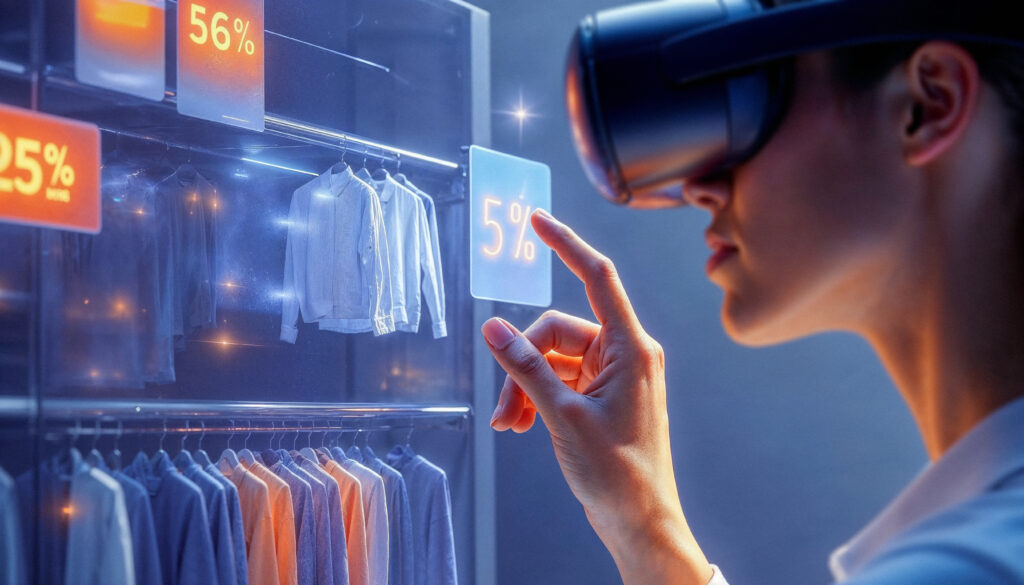
hybrid experiences in retail with augmented reality

In recent years, changing consumer behavior has significantly reshaped the role of physical stores. In this context, hybrid experiences in retail — combining physical stores and augmented reality (AR) — have emerged as a key strategy to integrate the physical and digital worlds and enhance the customer journey.

Today, investing in customer experience in retail has become essential to attract, engage, and convert consumers. At the same time, advances in digital technologies have opened new possibilities for blending online and offline interactions within the store environment.

Hybrid experiences in retail, also known as phygital, are born from this convergence, combining physical presence with digital layers that expand the shopping journey. Among these innovations, augmented reality in retail stands out by enabling consumers to interact with products in a more dynamic and informative way.

By integrating AR into the physical environment, brands can deliver immersive retail experiences that enrich the customer journey and reduce friction in the decision-making process.

While online channels remain essential for sales, offline experiences play a powerful role in building emotional connection and long-term loyalty. That’s why understanding how to create hybrid experiences is critical for engaging modern consumers.

Hybrid experiences in retail: integrating physical stores and AR

To begin with, hybrid experiences in retail emerge from the integration of physical store environments with digital layers of interaction and information. In this model, customers still explore the space in person but gain access to enhanced digital content that expands their journey.

Augmented reality is one of the key technologies enabling this integration. Through smartphones, tablets, or interactive screens, consumers can access digital overlays such as product details, demonstrations, and 3D visualizations.

This approach strengthens the phygital experience, combining the sensory richness of physical retail with the informational depth of digital environments. As a result, hybrid experiences in retail become more interactive, personalized, and engaging.

How to create hybrid experiences with AR in-store

Augmented reality opens up new opportunities to transform the point of sale into a more interactive and informative environment. When applied strategically, hybrid experiences allow brands to add digital layers to the physical space, enabling customers to explore products and content in more dynamic ways.

When well executed, these experiences create immersive retail journeys that support decision-making and improve overall engagement.

Below are practical ways to implement AR-driven hybrid experiences in-store:

Interactive product visualization

One of the most common applications of augmented reality in retail is enabling customers to visualize products in a more contextualized and interactive way.

By scanning a QR code or marker, consumers can access AR content such as 3D models, usage demonstrations, and product variations in color, size, or configuration.

This enhances hybrid experiences in retail by providing richer information at the moment of decision, making the journey more engaging and educational.

Virtual try-ons and digital experimentation

Another key application is virtual try-ons and digital product testing. Using smartphone cameras or smart mirrors, customers can see how products look on them or within real environments — without physically trying them on.

This is widely used in fashion, beauty, accessories, and home decor. By offering realistic previews, AR reduces uncertainty and increases confidence in purchase decisions, strengthening the effectiveness of hybrid experiences.

Interactive experiences and gamification at the point of sale

Augmented reality can also power interactive and gamified experiences in-store. Challenges, unlockable content, and AR-driven product discovery journeys encourage customers to explore different areas of the store.

These initiatives transform store visits into engaging experiences, reinforcing immersive retail strategies and emotional connections with the brand.

Hybrid experiences and data: generating insights in retail

Beyond enhancing customer experience, hybrid experiences in retail also provide valuable data for retailers.

Each interaction — whether scanning a product, engaging with AR content, or exploring digital features — generates insights into customer behavior, preferences, and navigation patterns.

This data allows brands to:

  • Understand product interest
  • Identify high-engagement content
  • Optimize store layout and communication

This approach aligns with the concept of Story Listening, where brands move beyond storytelling to actively learning from customer behavior and interactions.

The future of retail is hybrid

The integration of physical environments and digital technologies points to a future where stores become increasingly hybrid and experience-driven.

Rather than serving solely as transactional spaces, stores are evolving into environments for discovery, interaction, and relationship-building.

In this scenario, hybrid experiences in retail will play a central role in shaping the future of customer journeys — combining information, entertainment, and product interaction in a seamless way.

As these strategies evolve, brands that successfully integrate AR and phygital experiences will be better positioned to create meaningful connections and drive long-term engagement.

Conclusion

At Alice Wonders, we believe the future of retail lies in the integration of physical and digital environments. By leveraging augmented reality and hybrid strategies, brands can create more interactive, intelligent, and customer-centric journeys.

Inscreva-se em nossa Newsletter

Receba no seu email todas as novidades do nosso blog sobre tecnologia e varejo, além de ficar por dentro do novos projetos Alice Wonders.

Thank you for subscribing.

Something went wrong.

Most Popular Topics

Editor Picks

Send this to a friend