

In today’s retail landscape, retail design is no longer just about aesthetics — it plays a strategic role in shaping customer experience and influencing purchasing decisions. Every element of a physical space, from lighting and materials to layout and ambiance, communicates brand values and positioning.
Because of this, retail design has become a powerful tool to create meaningful brand experiences at the point of sale and directly impact how consumers perceive and connect with a brand.
Consumer emotions are deeply tied to their in-store experiences. Research by Harvard Business School professor Gerald Zaltman indicates that 85% to 95% of purchasing decisions are driven by subconscious and emotional factors.
This reinforces the importance of creating emotional impact in physical retail environments. When done right, retail design goes beyond selling products — it creates identification, builds emotional connection, and delivers memorable brand experiences.
Strategies such as sensory retail experiences play a key role in this process, enhancing emotional engagement and strengthening the relationship between brand and consumer.
Retail design: how layout strategy guides the customer journey
Strategic layout is one of the core pillars of retail design, as it defines how customers navigate the space, interact with products, and experience the store.
More than just organizing a physical environment, layout acts as a silent guide throughout the customer journey.
When well executed, it:
- Improves customer experience
- Increases dwell time
- Expands conversion opportunities
Strategic product placement
Product placement has a direct impact on purchasing behavior. High-margin or new items are typically positioned in high-visibility areas, while complementary products are placed nearby to encourage cross-selling.
This approach transforms retail design into a business driver, optimizing results without compromising the customer experience.
Creating focal points
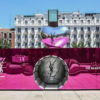
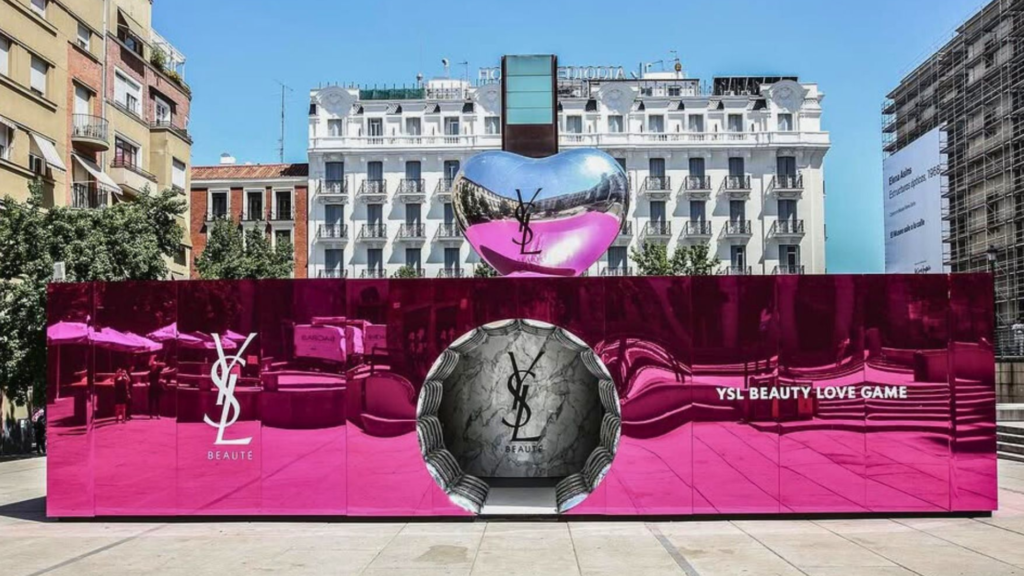
Visual elements such as in-store displays, featured areas, and scenographic installations act as attention drivers within the store.
These elements create natural pauses in the journey and direct attention to key products or campaigns, while also reinforcing immersive and engaging brand narratives.
This is where immersive retail experiences become essential, transforming stores into spaces of discovery and interaction.
The evolution to Brand Ship Store
When discussing retail design, it is essential to consider the evolution toward the Brand Ship Store concept — a model that goes beyond traditional flagship stores.
In this approach, the store becomes a complete experience platform, integrating design, technology, services, and content.
Layouts shift from functional to narrative-driven, incorporating thematic environments, interactive areas, and social spaces that deepen brand connection.
Retail design for loyalty: from experience to recurrence
In modern retail, making a sale is just the first step. The real challenge lies in turning occasional customers into loyal advocates.
In this process, retail design plays a strategic role by creating environments that foster emotional connections.
Customer experience in retail is influenced by multiple factors, including store atmosphere, navigation flow, and ease of interaction. Well-designed spaces reduce friction, enhance comfort, and encourage longer visits.
This increased dwell time strengthens engagement and allows consumers to fully experience the brand — not just purchase from it.
Consistency is also critical. When retail design clearly reflects brand identity, it builds trust and reinforces credibility — key drivers of loyalty.
Additionally, positive in-store experiences encourage repeat visits. Environments that inspire, engage, and simplify navigation create a natural path toward long-term relationships.
The future of retail design: immersive, connected, and experiential
As consumer behavior evolves, physical stores are becoming spaces for connection, experimentation, and engagement.
This shift expands the role of retail design, integrating experience, technology, and lifestyle into a unified ecosystem.
Concepts like Store Living illustrate this transformation — where stores become multifunctional environments that go beyond transactions.
These spaces may include:
- Social areas
- Events
- Interactive experiences
- Personalized services
This approach aligns with the concept of phygital retail, blending physical and digital experiences to create more dynamic and relevant journeys.
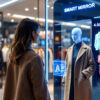
Additionally, the integration of digital tools — such as interactive screens and personalization technologies — enhances in-store engagement and adaptability.
In this context, retail design becomes a strategic connector between brand, space, and consumer.
Conclusion
The future of physical retail lies in creating meaningful, emotionally driven experiences.
More than just points of sale, stores are evolving into platforms for connection and brand storytelling.
When strategically applied, retail design transforms environments into powerful tools for engagement, differentiation, and long-term customer loyalty.
Inscreva-se em nossa Newsletter
Receba no seu email todas as novidades do nosso blog sobre tecnologia e varejo, além de ficar por dentro do novos projetos Alice Wonders.
Thank you for subscribing.
Something went wrong.
Respeitamos sua privacidade e levamos a sério a sua proteção