



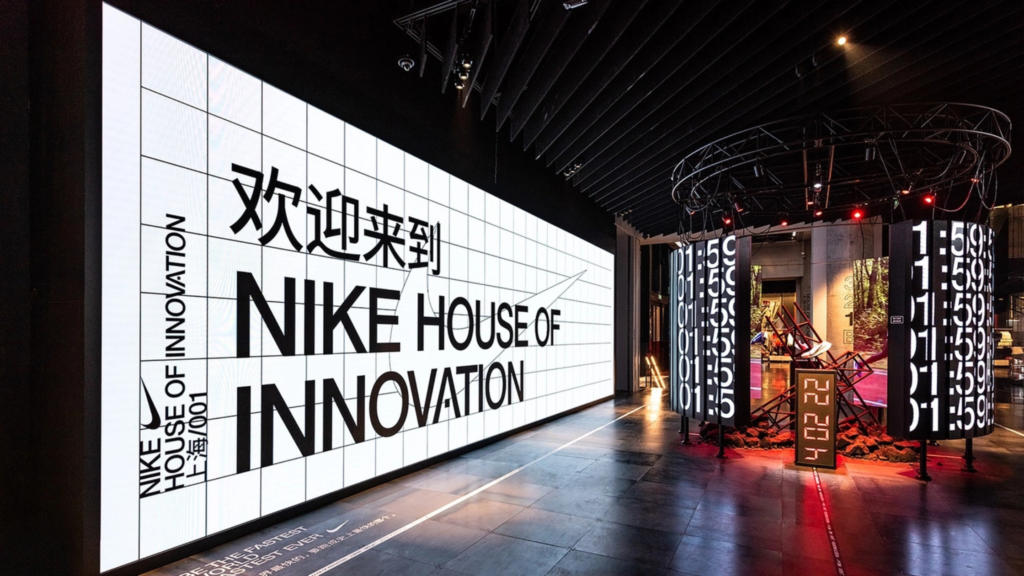
Sensory experiences are transforming the role of physical stores in retail. With the growth of e-commerce and the digitalization of consumption, brick-and-mortar spaces are no longer just points of sale — they have become environments for emotional connection, capable of delivering experiences that online channels still cannot fully replicate.
In 2021, market research company Opinion Box revealed that 95% of daily purchase decisions are driven by emotions. In this context, sensory experiences in retail play a key role in activating these emotional triggers and shaping consumer behavior.
Today, consumers expect more than products or services — they seek the feeling promised by a brand, the positive эмоtion, and the memorable experience created from the very first interaction.
In this scenario, investing in customer experience in retail is no longer a differentiator — it is a core strategy to attract, engage, and convert consumers who value meaningful brand interactions.
More than ever, brands are investing in sensory experiences in retail, using visual, auditory, and interactive stimuli to transform the in-store journey. Supported by point-of-sale (POS) technology, retailers can create dynamic, engaging environments that spark curiosity, increase dwell time, and strengthen the connection between brand and consumer.
This shift is driving a new store model, where the physical space evolves from a transactional environment into a space for discovery, relationship-building, and immersive sensory experiences in retail.
How sensory experiences influence consumer behavior and purchase decisions
In experiential physical retail, sensory experience strategies play a critical role in how consumers perceive the store environment and interact with products. Visual and auditory elements, when strategically designed, help create sensory experiences in retail that evoke emotions, stimulate curiosity, and influence decision-making throughout the customer journey.
With the support of POS technology, brands can transform physical spaces into dynamic and engaging environments, enhancing the retail customer experience and deepening emotional connections with the brand.
By integrating multiple sensory experience strategies, stores move beyond simple product displays to deliver immersive retail experiences that increase engagement and consumer interest.
Sensory experiences in retail: visual stimuli that guide the journey
Visual stimuli are often the first point of contact between consumers and the store environment. Digital screens, interactive storefronts, projections, and dynamic content are powerful tools to capture attention and generate interest from the very first moments.
POS technology enables brands to replace static materials with dynamic visual content that highlights products, showcases campaigns, and reinforces brand identity. Beyond visual impact, these elements also guide in-store navigation by highlighting categories, launches, and promotions.
When well executed, visual stimuli enhance the retail customer experience, making the environment more attractive and facilitating product discovery — a core principle of experiential retail.
Sensory experiences and sound: creating atmosphere and emotion
Sound plays a crucial role in shaping sensory experiences in retail. Music, sound effects, and acoustic design help create an atmosphere that influences how long consumers stay in-store and how they feel during their visit.
The choice of background music, for example, can reinforce brand positioning and make the space more inviting. Softer rhythms can encourage longer dwell time, while more energetic tracks can convey dynamism and modernity.
When combined with other POS technologies — such as audiovisual content and interactive experiences — sound becomes a powerful driver of immersive retail experiences.
As a result, the store environment evolves from a functional space into a strategic asset that enhances customer experience and positively influences purchasing decisions.
Sensory experiences as a brand strategy in retail
More than an aesthetic element, sensory experiences in retail have become a key strategy for brand positioning and perception, directly impacting the customer journey.
By combining visual, auditory, and interactive elements, brands can create environments that reflect their values, identity, and desired relationship with their audience — fostering emotional connection and customer loyalty.
In this context, the concept of Store Living emerges as a powerful approach. It reimagines stores as living, hybrid, and multifunctional spaces that go beyond product display to encourage interaction, connection, and discovery.
The integration of POS technology with sensory experience strategies enables increasingly engaging environments, strengthening emotional connections that go beyond the transaction and contribute to long-term brand perception.
The impact of sensory experiences in retail: engagement, dwell time, and conversion
Investing in sensory experiences in retail impacts not only brand perception but also business performance. More engaging environments increase dwell time, creating more opportunities for interaction with products and content.
Another study by Opinion Box, in partnership with Octadesk, found that over 87% of consumers value the overall experience when choosing a brand — not just the service itself.
This reinforces how sensory experiences directly influence consumer perception and purchase decisions. When combined with POS technology, they significantly enhance customer engagement.
Interactive features, digital content, and immersive environments stimulate curiosity and exploration, strengthening the retail customer experience and driving key performance indicators such as foot traffic, dwell time, and conversion rates.
By creating meaningful sensory experiences, brands transform store visits into memorable moments — contributing to both conversion and long-term customer loyalty.
The future of physical retail: immersive, connected, and experiential
As technology advances and consumer behavior evolves, physical retail is becoming increasingly experiential. Stores are no longer just spaces for transactions — they are becoming environments for connection, discovery, and brand engagement.
In this context, POS technology will continue to play a central role, enabling the integration of sensory experiences, interactive content, and consumer data to continuously enhance the retail experience.
The trend is clear: brands will increasingly invest in environments designed to deliver immersive sensory experiences, allowing consumers to explore, interact, and fully experience the brand proposition.
As these strategies evolve, sensory experiences in retail will consolidate as a key element in the future of physical stores — reinforcing their role as spaces of experience, connection, and value for both consumers and brands.
Inscreva-se em nossa Newsletter
Receba no seu email todas as novidades do nosso blog sobre tecnologia e varejo, além de ficar por dentro do novos projetos Alice Wonders.
Thank you for subscribing.
Something went wrong.
Respeitamos sua privacidade e levamos a sério a sua proteção