How Sensory Experiences Transform the Customer Journey in Physical Retail 0 1005

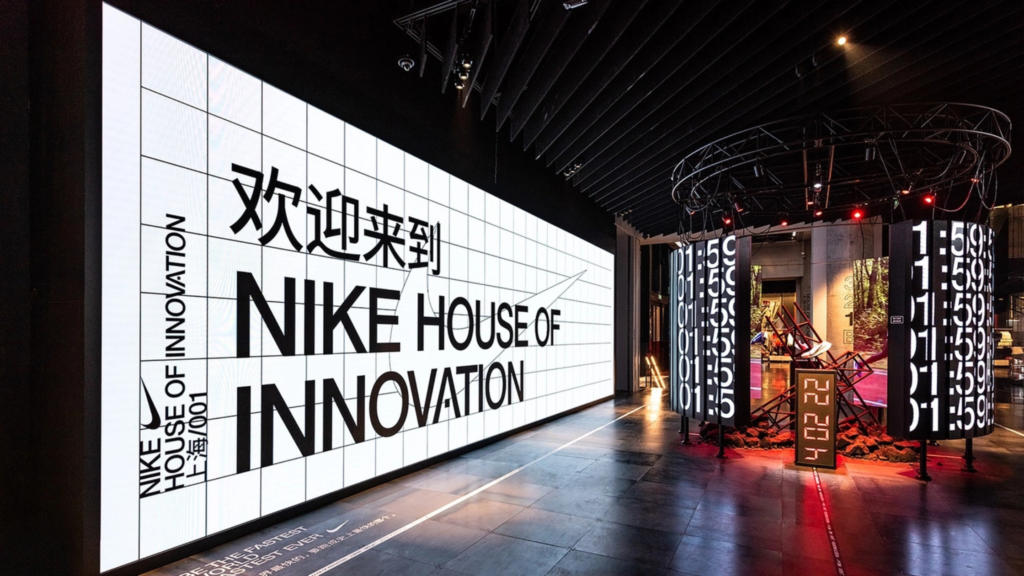
sensory experiences in retail at Nike House of Innovation store

Sensory experiences are transforming the role of physical stores in retail. With the growth of e-commerce and the digitalization of consumption, brick-and-mortar spaces are no longer just points of sale — they have become environments for emotional connection, capable of delivering experiences that online channels still cannot fully replicate.

In 2021, market research company Opinion Box revealed that 95% of daily purchase decisions are driven by emotions. In this context, sensory experiences in retail play a key role in activating these emotional triggers and shaping consumer behavior.

Today, consumers expect more than products or services — they seek the feeling promised by a brand, the positive эмоtion, and the memorable experience created from the very first interaction.

In this scenario, investing in customer experience in retail is no longer a differentiator — it is a core strategy to attract, engage, and convert consumers who value meaningful brand interactions.

More than ever, brands are investing in sensory experiences in retail, using visual, auditory, and interactive stimuli to transform the in-store journey. Supported by point-of-sale (POS) technology, retailers can create dynamic, engaging environments that spark curiosity, increase dwell time, and strengthen the connection between brand and consumer.

This shift is driving a new store model, where the physical space evolves from a transactional environment into a space for discovery, relationship-building, and immersive sensory experiences in retail.

How sensory experiences influence consumer behavior and purchase decisions

In experiential physical retail, sensory experience strategies play a critical role in how consumers perceive the store environment and interact with products. Visual and auditory elements, when strategically designed, help create sensory experiences in retail that evoke emotions, stimulate curiosity, and influence decision-making throughout the customer journey.

With the support of POS technology, brands can transform physical spaces into dynamic and engaging environments, enhancing the retail customer experience and deepening emotional connections with the brand.

By integrating multiple sensory experience strategies, stores move beyond simple product displays to deliver immersive retail experiences that increase engagement and consumer interest.

Sensory experiences in retail: visual stimuli that guide the journey

Visual stimuli are often the first point of contact between consumers and the store environment. Digital screens, interactive storefronts, projections, and dynamic content are powerful tools to capture attention and generate interest from the very first moments.

POS technology enables brands to replace static materials with dynamic visual content that highlights products, showcases campaigns, and reinforces brand identity. Beyond visual impact, these elements also guide in-store navigation by highlighting categories, launches, and promotions.

When well executed, visual stimuli enhance the retail customer experience, making the environment more attractive and facilitating product discovery — a core principle of experiential retail.

Sensory experiences and sound: creating atmosphere and emotion

Sound plays a crucial role in shaping sensory experiences in retail. Music, sound effects, and acoustic design help create an atmosphere that influences how long consumers stay in-store and how they feel during their visit.

The choice of background music, for example, can reinforce brand positioning and make the space more inviting. Softer rhythms can encourage longer dwell time, while more energetic tracks can convey dynamism and modernity.

When combined with other POS technologies — such as audiovisual content and interactive experiences — sound becomes a powerful driver of immersive retail experiences.

As a result, the store environment evolves from a functional space into a strategic asset that enhances customer experience and positively influences purchasing decisions.

Sensory experiences as a brand strategy in retail

More than an aesthetic element, sensory experiences in retail have become a key strategy for brand positioning and perception, directly impacting the customer journey.

By combining visual, auditory, and interactive elements, brands can create environments that reflect their values, identity, and desired relationship with their audience — fostering emotional connection and customer loyalty.

In this context, the concept of Store Living emerges as a powerful approach. It reimagines stores as living, hybrid, and multifunctional spaces that go beyond product display to encourage interaction, connection, and discovery.

The integration of POS technology with sensory experience strategies enables increasingly engaging environments, strengthening emotional connections that go beyond the transaction and contribute to long-term brand perception.

The impact of sensory experiences in retail: engagement, dwell time, and conversion

Investing in sensory experiences in retail impacts not only brand perception but also business performance. More engaging environments increase dwell time, creating more opportunities for interaction with products and content.

Another study by Opinion Box, in partnership with Octadesk, found that over 87% of consumers value the overall experience when choosing a brand — not just the service itself.

This reinforces how sensory experiences directly influence consumer perception and purchase decisions. When combined with POS technology, they significantly enhance customer engagement.

Interactive features, digital content, and immersive environments stimulate curiosity and exploration, strengthening the retail customer experience and driving key performance indicators such as foot traffic, dwell time, and conversion rates.

By creating meaningful sensory experiences, brands transform store visits into memorable moments — contributing to both conversion and long-term customer loyalty.

The future of physical retail: immersive, connected, and experiential

As technology advances and consumer behavior evolves, physical retail is becoming increasingly experiential. Stores are no longer just spaces for transactions — they are becoming environments for connection, discovery, and brand engagement.

In this context, POS technology will continue to play a central role, enabling the integration of sensory experiences, interactive content, and consumer data to continuously enhance the retail experience.

The trend is clear: brands will increasingly invest in environments designed to deliver immersive sensory experiences, allowing consumers to explore, interact, and fully experience the brand proposition.

As these strategies evolve, sensory experiences in retail will consolidate as a key element in the future of physical stores — reinforcing their role as spaces of experience, connection, and value for both consumers and brands.

Inscreva-se em nossa Newsletter

Receba no seu email todas as novidades do nosso blog sobre tecnologia e varejo, além de ficar por dentro do novos projetos Alice Wonders.

Thank you for subscribing.

Something went wrong.

Previous ArticleNext Article

Deixe uma resposta

O seu endereço de e-mail não será publicado. Campos obrigatórios são marcados com *

How to create a sustainable and engaging in-store experience 0 115

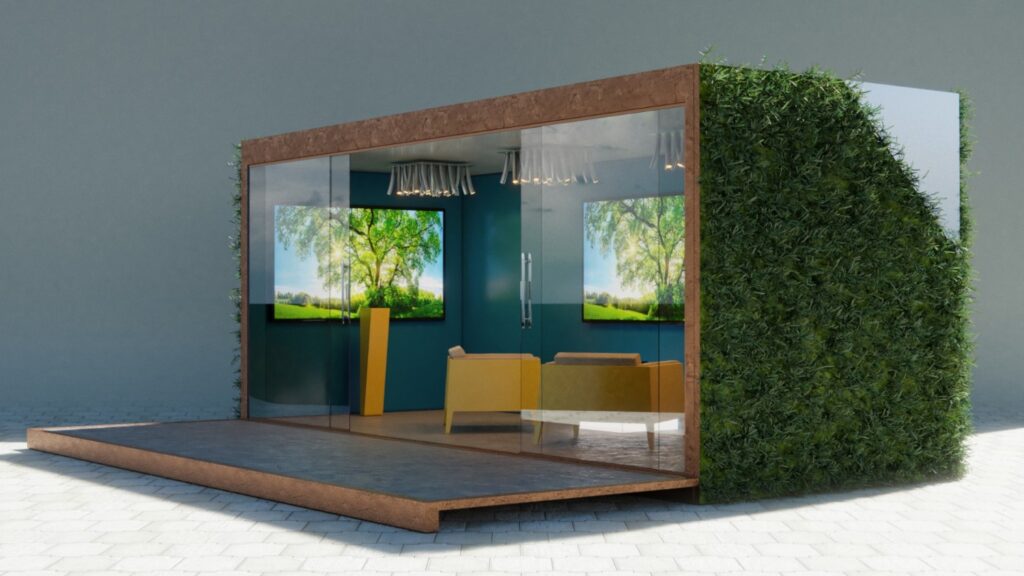
sustainable in-store experience with biophilic retail design and nature-integrated environment

A sustainable in-store experience has become one of the most important competitive differentiators in retail. In recent years, consumer behavior has undergone a significant transformation, prioritizing brands that reflect values such as environmental responsibility and purpose.

In this context, the point of sale is no longer just a transactional channel — it plays a strategic role in shaping perception and building relationships. The brand experience in-store becomes especially relevant because it is where consumers experience, in practice, what the brand communicates.

It is within this physical space that promises become tangible — or not. Therefore, understanding how to improve customer experience in-store is no longer an operational concern, but a strategic branding decision.

When this scenario is combined with the growing demand for environmental responsibility, a powerful opportunity emerges: to create a sustainable in-store experience that not only reduces impact but also strengthens brand positioning.

More than a trend, this is a natural evolution of retail experience design, which now needs to consider not only aesthetics and functionality, but also impact and purpose. In this article, we explore how to create a sustainable and engaging in-store experience.

Sustainable in-store experience: what defines this strategy

Creating a sustainable in-store experience goes far beyond the stereotypical use of plants or natural scents in physical spaces.

Instead, it is a strategy that requires careful planning and a genuine commitment to sustainability. Below are the key elements that define a sustainable retail experience:

Sustainability as a strategic foundation

A sustainable in-store experience begins long before choosing materials or visual communication. It starts at the brand strategy level and how sustainability is embedded across the entire business.

When treated as a one-off initiative — such as replacing plastic bags or adding a “green” label — sustainability loses strength and credibility. For the in-store brand experience to be coherent, alignment between discourse and practice is essential.

This means that every decision in-store, from layout to operations, must reflect the brand’s positioning. In this context, improving customer experience in-store involves integrating purpose, culture, and execution consistently.

Retail experience design plays a key role in this process by translating abstract strategies into tangible, meaningful solutions that consumers can perceive and value.

Core sustainability pillars in retail

To structure a sustainable in-store experience, it is important to consider three fundamental pillars:

  • Environmental: material choices, energy consumption, waste management, and the environmental impact of the physical space
  • Social: relationships with suppliers, working conditions, and community impact
  • Economic: long-term viability and scalability of sustainable practices

These pillars directly influence brand perception in-store, helping build trust and perceived value. Brands that balance these dimensions create more consistent and relevant narratives.

Transparency as part of the experience

Today, it is not enough to be sustainable — brands must communicate it clearly. Transparency has become a critical component of a sustainable in-store experience.

Consumers want to know where products come from, how they are made, and the impact of their choices. Integrating this information into the physical environment transforms the space into an educational and engaging channel.

Retail experience design can leverage visual communication, signage, and interactive elements to make this information more accessible and compelling.

Sustainable in-store experience: how to integrate it into the customer journey

Understanding sustainability as a strategy is one thing — applying it across the physical customer journey is another. Here’s how to integrate it effectively:

Before purchase — attraction and first perception

The journey begins before the customer even enters the store. Storefronts, windows, and external elements shape first impressions and communicate sustainable values.

Using low-impact materials, reducing visual excess, and aligning messaging with brand purpose helps create a coherent sustainable in-store experience from the outset.

During the experience — interaction and engagement

Inside the store, the experience should be intuitive, fluid, and aligned with brand values. Retail experience design plays a central role by organizing the space efficiently and encouraging conscious exploration.

Solutions such as refill stations, modular furniture, and educational communication enhance the sustainable in-store experience and make it more participatory.

Interactive elements further strengthen emotional connection, increasing engagement and dwell time.

After purchase — extending the experience

The customer journey does not end at checkout. Post-purchase is a critical extension of the sustainable in-store experience.

Reusable packaging, return programs, and recycling incentives reinforce sustainability while extending brand interaction beyond the store.

Sustainable in-store experience: future retail trends

The future of retail lies in the integration of experience, technology, and purpose. Sustainability is no longer a differentiator — it is becoming a baseline expectation.

In this context, the sustainable in-store experience will evolve into more intelligent, connected, and personalized formats. Technologies that enable product traceability and real-time impact tracking will play a key role.

Another important trend is scalability. Retailers must design experiences that can be replicated across different locations without losing consistency or purpose.

This requires modular systems, reusable materials, and standardized processes — all aligned with retail experience design principles.

Conclusion

Ultimately, consumers will continue to raise their expectations — not only regarding products, but also the experiences brands deliver.

Brands that successfully align purpose, transparency, and scalability will stand out. In this context, investing in a sustainable in-store experience is no longer optional — it is essential for building long-term relevance and impact in modern retail.

Inscreva-se em nossa Newsletter

Receba no seu email todas as novidades do nosso blog sobre tecnologia e varejo, além de ficar por dentro do novos projetos Alice Wonders.

Thank you for subscribing.

Something went wrong.

Space as Media: How the Physical Environment Becomes a Strategic Brand Communication Channel 0 95

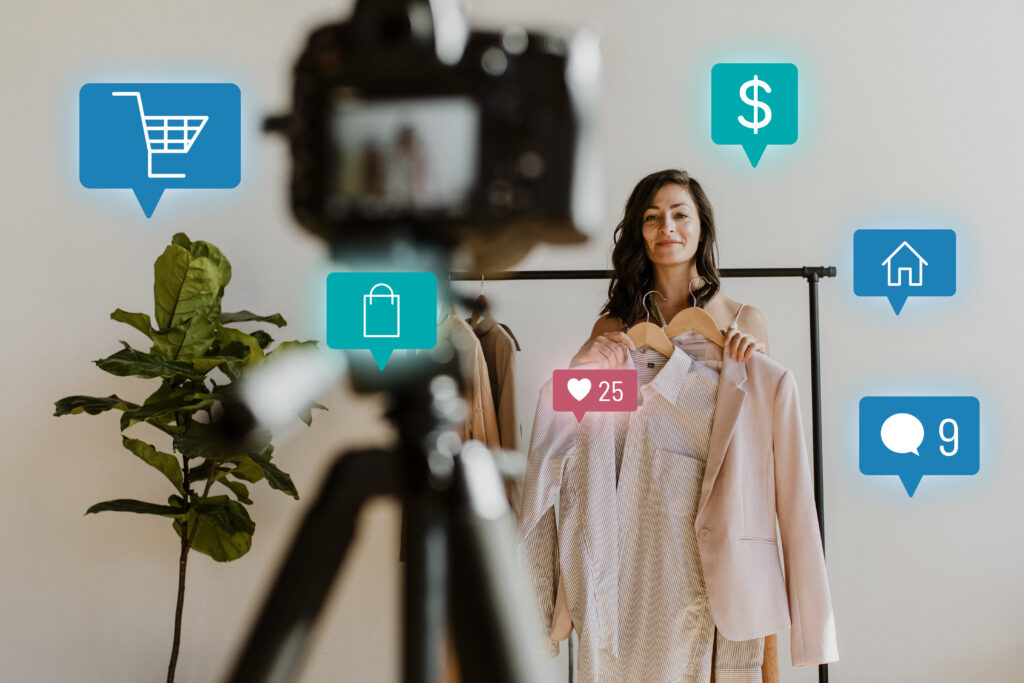
space as media in retail with content creation and omnichannel customer experience

Brand communication has undergone a significant transformation in recent decades. In this context, the concept of space as media emerges as a key strategy to turn the physical environment into an active channel for communication and experience.

The overload of digital stimuli and the ease of comparing products have reduced the relevance of purely functional differentiators. As a result, a new logic has emerged: it is no longer enough to communicate — brands must make consumers feel.

This is exactly where space as media gains strength. The physical environment is no longer just a place for operations or sales — it becomes an active communication channel capable of conveying narratives, values, and experiences in an immersive way.

More than simply occupying a space, brands now communicate through it. Every detail — from architecture to service — becomes part of a larger message, often perceived before any rational interaction takes place.

In this article, we explore not only the concept of space as media, but also the operational and strategic approaches that can elevate customer experience and engagement in physical retail.

Space as media: what it is and how it works in retail

Traditionally, physical spaces were designed with a functional focus: selling, serving, and operating. However, when we talk about space as media, we refer to environments intentionally designed to communicate.

The difference between a functional space and a communicative one lies in intention. While the former fulfills a practical need, the latter conveys meaning — expressing positioning, reinforcing values, and continuously shaping brand perception.

In this sense, the physical environment becomes a powerful communication channel, as relevant as social media or advertising campaigns, directly influencing how a brand is perceived.

This transformation results from the convergence of multiple disciplines: branding, architecture, design, and customer experience. The space evolves from a physical project into a strategic extension of the brand.

Here, the concept of brand experience in physical environments becomes essential. The space acts as a sensory interface between brand and consumer. Before any verbal communication, consumers already interpret signals through subtle elements such as lighting, layout, sounds, materials, and scents.

This is where sensory branding becomes critical. Communication does not happen only through what is said, but through what is felt — and often, emotional perception precedes and influences rational decision-making.

Space as media: why the physical environment has become a strategic channel

In a world dominated by digital interactions, considering the physical environment as a key influence on consumer decision-making may seem outdated. However, several factors reinforce its growing importance:

The attention crisis and digital fatigue

We live in an era of constant exposure — notifications, ads, and content competing simultaneously for attention. As a result, engagement declines and resistance to traditional communication formats increases.

In contrast, in-person experiences are gaining relevance. They offer something digital often cannot replicate: immersion, presence, meaningful interactions, and sensory memory.

In this scenario, space as media emerges as a powerful way to regain consumer attention — allowing people to disconnect from the digital world and engage in real, physical experiences.

The search for authenticity and real connection

Today’s consumer is more critical and conscious. They seek alignment between what a brand says and what it delivers. The physical space plays a crucial role because it materializes the brand.

It transforms abstract brand values into tangible experiences. When the environment is inconsistent, it creates dissonance. When well-designed, it builds credibility and reinforces trust.

The rise of the experience economy

Modern consumption is no longer driven solely by products — but by experiences.

This shift has driven the evolution of retail experience design, which now considers not only the purchase journey but the entire time customers spend in-store.

The physical space becomes a stage where the brand fully expresses itself — creating memorable and immersive experiences.

Space as media: how environments communicate brand value

Transforming a space into a communication channel does not necessarily require high investment — but it does require intentionality.

Sensory elements as a language

Every space communicates — whether intentionally or not. The key is using that communication strategically.

Elements such as lighting, sound, scent, texture, and temperature act as codes that influence mood, perceived value, and behavior.

Sensory branding organizes these stimuli to create an atmosphere aligned with the brand identity — whether welcoming, sophisticated, energetic, or minimalist.

Spatial storytelling (physical storytelling)

Just like digital content follows a narrative, physical spaces can tell stories.

Layout, circulation flow, and spatial organization guide the customer journey. Each area can represent a chapter, turning the experience into a structured narrative.

This transforms the space into a physical script where the consumer is no longer just an observer — but an active participant.

Design as positioning

Design is one of the most powerful forms of non-verbal communication.

Colors, materials, textures, and forms carry meaning and influence perception. A minimalist space conveys sophistication, while a vibrant one communicates creativity and energy.

In retail experience design, these decisions are strategic — ensuring that every element reinforces brand positioning consistently.

Space as media: when physical space scales digitally

One of the greatest strengths of space as media is its ability to extend beyond the physical environment.

Well-designed spaces naturally become shareable. Consumers capture and distribute their experiences through photos, videos, and social media — effectively becoming media channels themselves.

This dynamic amplifies reach and strengthens brand perception. As a result, spaces are increasingly designed to be visually engaging and “shareable” — not superficially, but as part of an integrated communication strategy.

When connected to digital ecosystems, physical experiences gain scale, generating engagement far beyond those who were physically present.

This evolution has led to advanced retail models such as brand experience hubs (often referred to as flagship ecosystems), which integrate experience, content, services, community, and technology.

Key pillars include:

  • Immersive environments
  • Live content and activations
  • Value-added services
  • Community building
  • Seamless tech integration

In this model, the physical space becomes a strategic asset for branding, engagement, and long-term relationship building.

The future of communication is spatial

The boundaries between physical and digital are increasingly fluid. The future of communication will not rely on a single channel — but on the integration of multiple touchpoints.

In this landscape, the physical environment gains new relevance — not as a replacement for digital, but as an essential complement.

Technologies such as augmented reality, interactivity, and data intelligence will further enhance the potential of space as media.

However, the ultimate differentiator will remain the same: the ability to create meaningful connections.

Because in the end, every touchpoint communicates — and physical space remains one of the most powerful ways to turn brand narratives into lived experiences.

Inscreva-se em nossa Newsletter

Receba no seu email todas as novidades do nosso blog sobre tecnologia e varejo, além de ficar por dentro do novos projetos Alice Wonders.

Thank you for subscribing.

Something went wrong.

Most Popular Topics

Editor Picks

Send this to a friend