

Point-of-Sale Technology: How to Innovate Without Losing Strategy 0 19

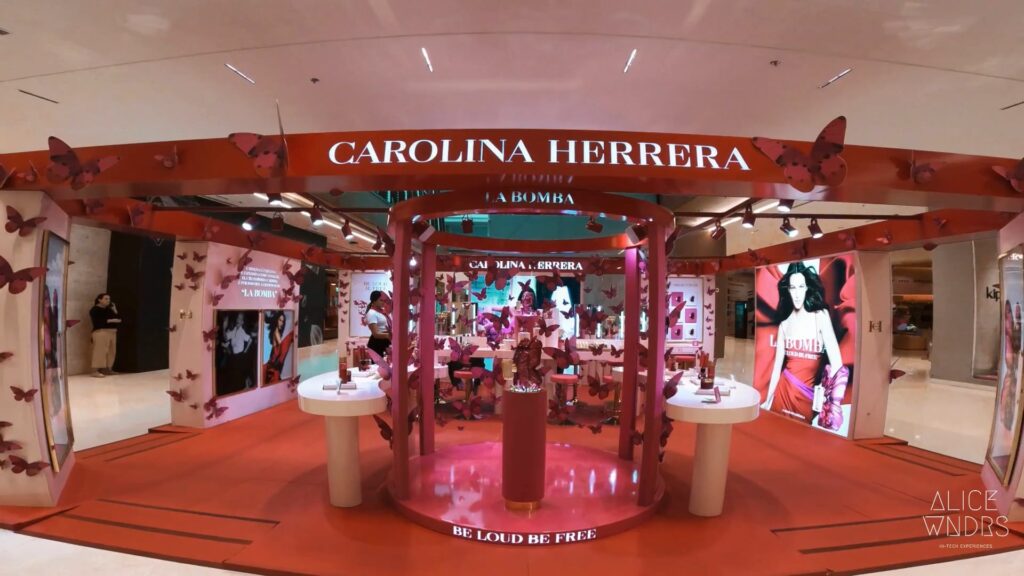
Immersive point-of-sale technology activation by Carolina Herrera in a physical retail environment

Point-of-sale technology is transforming how consumers interact with brands, products, and physical spaces. Today, investing in retail innovation is no longer just a competitive advantage — it has become essential for creating more fluid, connected, and strategic customer experiences.

This behavior is also connected to how the brain processes expectations and rewards. Consumers who are used to fast and personalized digital experiences tend to develop lower tolerance for friction, long lines, and unintuitive processes in physical environments.

As a result, integrating technology, convenience, and experience is no longer simply a trend. It has become part of building journeys that are more aligned with contemporary consumer habits.

However, amid the race for more modern and interactive experiences, many companies still make the same mistake: implementing technological solutions based solely on visual impact or novelty effect, without considering strategy, consumer behavior, and the actual goals of the operation.

This is precisely where point-of-sale technology stops being an advantage and starts generating noise, complexity, and even frustration throughout the shopping journey. In today’s retail landscape, innovation does not necessarily mean having the most sophisticated solution, but rather creating experiences that are more fluid, intelligent, and relevant.

When we talk about true innovation in physical retail, we are referring to experiences where technology, space, and customer experience work together to simplify journeys, strengthen brand perception, and generate measurable business results.

In this scenario, concepts such as phygital retail, personalization, and data intelligence become even more relevant, transforming the point of sale into an increasingly strategic environment for building better retail customer experiences.

In this article, you will understand how to choose, implement, and measure technological solutions strategically within the point of sale — going beyond trends and focusing on what truly creates impact for both consumers and businesses.

The New Role of Point-of-Sale Technology

For many years, technology in physical stores was primarily associated with operational automation: payment systems, inventory control, and sales management. Today, however, the landscape is completely different. Point-of-sale technology now plays a central role in shaping customer experience, influencing brand perception, relationships, and purchasing behavior.

The point of sale is no longer just a transactional environment. It has become a space for connection, discovery, and experimentation. In this context, digital resources help create journeys that are more fluid, personalized, and integrated with contemporary consumer habits.

More than simply digitizing processes, modern retail seeks to create experiences that combine convenience, sensory engagement, and data intelligence within the same environment. The growth of e-commerce, social media, and mobile apps has completely transformed consumer expectations regarding physical stores.

Today, consumers expect the same level of agility, personalization, and integration found in digital channels to also exist within physical retail spaces. This behavior reinforces the concept of phygital retail, where the boundaries between online and offline become increasingly invisible.

When strategically implemented, technology becomes almost invisible within the physical environment, acting as a journey facilitator and directly contributing to better retail customer experiences.

How to Choose Technologies That Truly Make Sense for the Point of Sale

Choosing the right technologies for the point of sale may seem challenging, but there are several highly relevant factors that can help brands select the best solutions for both their audience and business goals.

Start with the problem, not the tool

Before investing in any solution, the first step should be understanding which operational and customer journey challenges need to be solved. The most efficient technology is not always the most sophisticated one, but rather the solution that addresses real business needs.

Long lines, poor in-store navigation, low conversion rates, limited product interaction, and lack of omnichannel integration are all examples of problems that can be solved through well-structured point-of-sale technology strategies. When implementation starts with clear objectives, innovation stops being purely aesthetic and begins generating concrete impact on performance, brand perception, and customer experience.

Understanding the store context is essential

Not every solution works equally well across different retail formats. What makes sense for a flagship store may not be relevant for a smaller shopping mall location, for example. That is why implementing point-of-sale technology should consider factors such as:

  • Customer flow
  • Consumer behavior
  • Brand positioning
  • Purchase journey
  • The role of the store within the omnichannel strategy

In addition, the physical environment directly influences how technology is perceived and used. Layout, visual communication, lighting, and spatial experience must work together to create intuitive and cohesive experiences.

Useful experiences matter more than “wow” experiences

In practice, efficient experiences tend to create more impact than purely technological activations. This happens because the brain naturally responds more positively to intuitive journeys with lower cognitive effort.

Solutions such as self-checkout systems, smart fitting rooms, digital shelf labels, contextual QR codes, and physical-digital inventory integration demonstrate how innovation in physical retail can be applied strategically and functionally. More than surprising consumers, technology must improve the experience in practical, natural, and relevant ways.

The Importance of Integrating Technology and Operations

An efficient technological experience depends not only on the selected tool but also on the operation’s ability to sustain it daily. Team training, systems integration, maintenance, and internal process adaptation are all essential factors for ensuring that technology genuinely contributes to the customer journey.

When poorly implemented, digital solutions can generate delays, operational failures, and frustrations that directly impact retail customer experience. That is why innovation and operations must evolve together.

Data and Measurement: How to Evaluate Whether Innovation Works

More than simply collecting information, modern retail is evolving toward a Story Listening approach — a concept based on actively interpreting consumers through data, behavior, and interactions within physical spaces.

In this context, point-of-sale technology no longer functions solely as an operational tool. It also helps brands interpret navigation patterns, consumer preferences, and stimuli that influence purchasing behavior.

For innovation to generate real value, retailers must monitor indicators capable of measuring the impact of implemented solutions within the point of sale. Metrics such as:

  • Dwell time
  • Customer flow
  • Conversion rate
  • Average ticket value
  • Engagement and interaction

All help determine whether a given technology contributes to business goals. Within the context of point-of-sale technology, data-driven decisions are becoming increasingly essential for optimizing investments and creating more efficient experiences.

Additionally, sensors, heat maps, artificial intelligence, and analytics systems enable brands to better understand customer behavior inside physical stores. These insights help optimize layouts, product displays, visual communication, and even circulation journeys within the environment.

As a result, point-of-sale technology evolves from operational support into a major source of strategic intelligence for retail businesses. In today’s market, innovation should not be treated as a static project, but rather as an ongoing process of learning and adaptation.

Implementing pilot projects, testing formats, and analyzing results before scaling solutions helps reduce risks and improve efficiency. This experimentation mindset is essential for following consumer behavior transformations and creating experiences that align with evolving market demands.

Retail Technology Trends and the Future of the Point of Sale

With technology constantly evolving, it is expected that new innovations will continue impacting consumer purchasing journeys. Staying updated on retail technology trends and the future of the point of sale is becoming increasingly essential.

Artificial intelligence is already transforming personalization in physical retail, enabling more contextualized, dynamic, and efficient experiences. Intelligent recommendations, automated customer service, and predictive analytics are among the applications expected to grow significantly in the coming years.

Physical stores are also consolidating themselves as strategic media and communication channels. Digital screens, contextual content, and segmented campaigns expand opportunities for connection between brands and consumers within the point of sale.

The future of retail is not about separating physical and digital experiences, but rather creating increasingly fluid journeys between both worlds. In phygital retail, technology stops being an isolated element and becomes naturally integrated into consumer behavior.

Beyond customer experience, technology will also gain relevance in operational efficiency and sustainability initiatives. Solutions that reduce waste, optimize energy consumption, and improve resource management are becoming increasingly strategic for modern retail.

Technology will continue transforming physical retail in the years ahead, but the true competitive advantage will lie in how it is applied. More than investing in trends, brands will need to create relevant experiences aligned with consumer behavior and business objectives.

Ultimately, the best point-of-sale technology is the one that improves the customer journey without distracting from the experience itself. In the future of retail, innovation will not be measured solely by visual impact, but by its ability to generate connection, efficiency, and real value for both consumers and brands.

Inscreva-se em nossa Newsletter

Receba no seu email todas as novidades do nosso blog sobre tecnologia e varejo, além de ficar por dentro do novos projetos Alice Wonders.

Thank you for subscribing.

Something went wrong.

Previous Article

Deixe uma resposta

O seu endereço de e-mail não será publicado. Campos obrigatórios são marcados com *

How to Design Customer Experience KPIs for Physical Retail 0 393

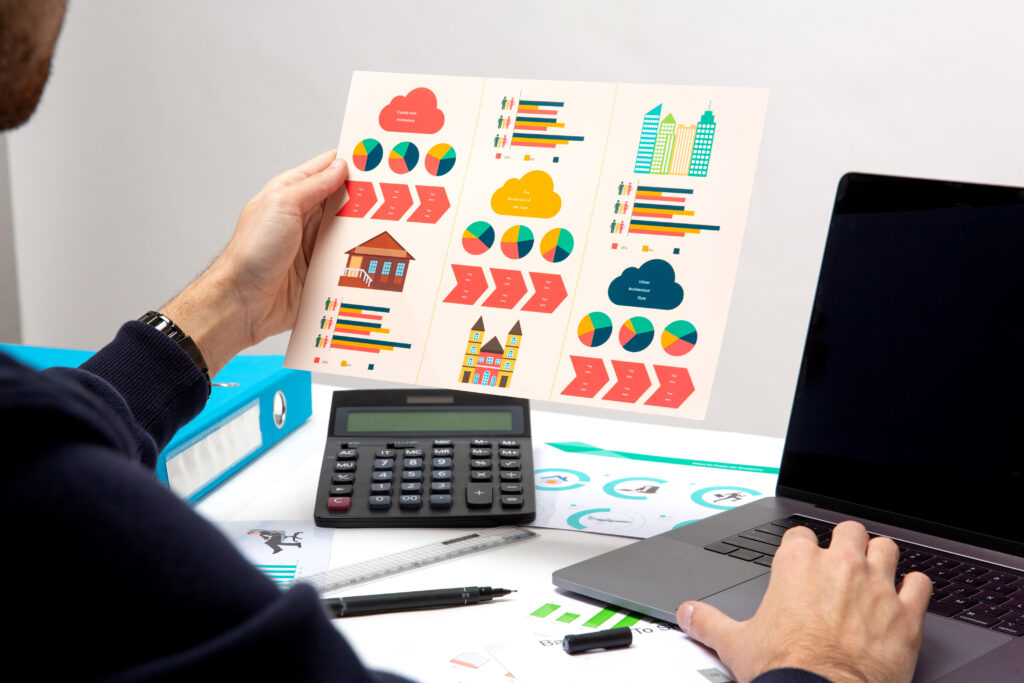
customer experience KPIs analysis with retail dashboards and performance metrics

Customer experience KPIs in physical retail have become essential for brands looking to transform data into strategic decision-making. In a scenario where the consumer journey is increasingly integrated across physical and digital channels, measuring experience is no longer optional.

The point of sale is no longer just a transactional environment — it has become a space for experimentation, relationship building, and brand perception. Despite this evolution, many companies still face a central challenge: how to measure customer experience in retail in a structured and results-oriented way.

Traditionally, retail performance has been evaluated through indicators such as revenue, average ticket size, and conversion rate. While relevant, these metrics fail to capture the complexity of the customer experience — a factor that increasingly influences purchasing decisions and customer loyalty.

This is where customer experience KPIs become critical. They allow brands to transform subjective perceptions into actionable insights. More than measuring satisfaction, these indicators help identify behaviors, friction points, and opportunities to optimize the customer journey.

When properly structured, in-store experience indicators transform customer experience from an abstract concept into a strategic asset capable of supporting ROI and justifying investments in innovation within physical retail environments.

With this in mind, this article explores how to design KPIs focused on customer experience at the point of sale, ensuring smoother journeys for customers and more valuable insights for brands.

KPIs in retail: a framework for measuring customer experience

For customer experience metrics in physical retail to become truly strategic, they must be structured through a clear framework that connects journey, behavior, and business outcomes.

Customer journey mapping in physical retail

The first step in designing effective KPIs is understanding how consumers experience the physical environment throughout every stage of the journey. This includes mapping the process from store entry to checkout, considering moments such as exploration, product interaction, service, and payment.

More than simply describing the flow, it is essential to identify friction points — such as queues, navigation difficulties, or lack of support — as well as delight points like immersive experiences, atmosphere, and consultative service.

This mapping process creates a clearer understanding of the behaviors that truly matter and supports the definition of more effective customer experience indicators.

Defining customer experience goals

The definition of KPIs only makes sense when directly connected to clear experience objectives. At this stage, brands must determine which behaviors they want to encourage inside the store.

These goals may include:

  • Increasing dwell time
  • Encouraging product interaction
  • Reducing friction points
  • Strengthening brand perception

These objectives act as strategic guides for customer experience metrics in physical retail, ensuring measurement efforts remain connected to meaningful business outcomes.

Additionally, they align teams such as marketing, operations, and sales around a unified customer experience vision.

Turning experience into measurable KPIs

Once goals are defined, the next step is translating experience into measurable indicators. This process requires converting subjective perceptions into concrete data capable of representing real consumer behavior.

The challenge is not simply choosing metrics, but ensuring they are directly related to previously defined strategic objectives.

When properly structured, these customer experience KPIs allow brands not only to monitor experience but also to identify optimization opportunities and generate actionable insights on how to measure customer experience in retail more accurately.

Integrating KPIs with operational and business data

For customer experience KPIs to generate real value, they must be connected to broader business performance indicators.

This means combining behavioral and perception data with metrics such as:

  • Sales performance
  • Average ticket size
  • Purchase frequency
  • Conversion rate

This integration demonstrates the real impact of customer experience on financial results. For example, brands may identify how increased dwell time influences conversion rates or how reduced friction impacts ticket size.

These insights reinforce the role of customer experience KPIs as strategic management tools that support data-driven decision-making.

Establishing baselines and goals

An effective measurement system depends on establishing clear baselines and improvement targets. The baseline serves as a starting point to evaluate current experience performance and identify gaps between current and desired scenarios.

Without this reference, it becomes difficult to evaluate progress or justify strategic changes. Once established, brands can track the evolution of customer experience metrics over time and continuously improve performance.

Main KPIs in retail for measuring customer experience

In practice, customer experience indicators should follow a strategic logic: understanding which journey the brand wants to create and which behaviors must be stimulated to support that goal.

Below are some of the most relevant customer experience KPIs in physical retail:

Average dwell time

More than indicating how long customers stay in-store, this KPI reveals engagement levels with the environment. When combined with heatmaps and zone analysis, it highlights which spaces are most attractive and which require optimization.

Product or activation interaction rate

This indicator measures how actively customers engage with the store, whether through product testing, interactive technologies, or immersive activations. It is especially relevant in experiential retail contexts because it reveals curiosity and purchase intent.

NPS in physical retail

Net Promoter Score helps measure the emotional impact of the in-store experience. More than a score, it should be analyzed alongside qualitative feedback to identify which elements — such as service, atmosphere, or assortment — influence customer recommendation.

Waiting time (real vs. perceived)

This metric goes beyond operational efficiency and enters the field of perception. In many cases, perceived waiting time matters more than actual waiting time. Monitoring this difference helps brands identify bottlenecks and improve the journey.

Conversion rate by interaction

This KPI directly connects experience and business performance. It measures how many interactions — whether with products, staff, or technology — effectively lead to purchases.

How technology enhances KPIs in physical retail

Technological evolution has been essential in enabling customer experience measurement within physical environments. Sensors, cameras, analytics platforms, CRM systems, and artificial intelligence now allow brands to capture behavioral data in real time.

In this context, the store evolves from a simple sales channel into a true data hub capable of generating continuous insights into customer behavior and experience optimization.

These technologies also support emerging concepts such as Store Living — transforming physical retail into a hybrid, multifunctional environment that combines retail, services, community, and lifestyle.

As a result, traditional metrics are no longer enough. Brands must now adopt KPIs capable of measuring engagement, interaction, and relationship building in increasingly experience-driven retail environments.

Inscreva-se em nossa Newsletter

Receba no seu email todas as novidades do nosso blog sobre tecnologia e varejo, além de ficar por dentro do novos projetos Alice Wonders.

Thank you for subscribing.

Something went wrong.

How to create a sustainable and engaging in-store experience 0 118

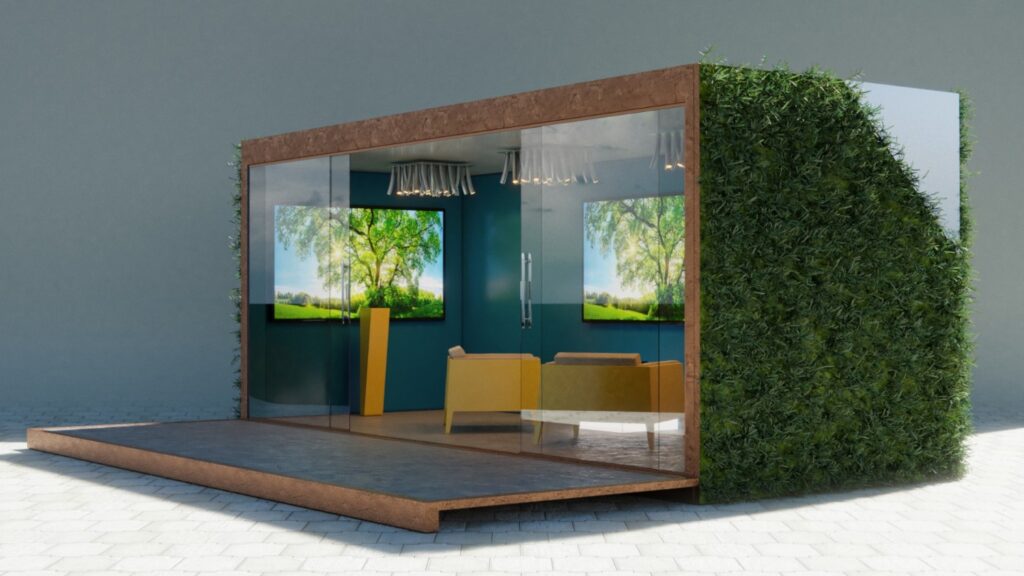
sustainable in-store experience with biophilic retail design and nature-integrated environment

A sustainable in-store experience has become one of the most important competitive differentiators in retail. In recent years, consumer behavior has undergone a significant transformation, prioritizing brands that reflect values such as environmental responsibility and purpose.

In this context, the point of sale is no longer just a transactional channel — it plays a strategic role in shaping perception and building relationships. The brand experience in-store becomes especially relevant because it is where consumers experience, in practice, what the brand communicates.

It is within this physical space that promises become tangible — or not. Therefore, understanding how to improve customer experience in-store is no longer an operational concern, but a strategic branding decision.

When this scenario is combined with the growing demand for environmental responsibility, a powerful opportunity emerges: to create a sustainable in-store experience that not only reduces impact but also strengthens brand positioning.

More than a trend, this is a natural evolution of retail experience design, which now needs to consider not only aesthetics and functionality, but also impact and purpose. In this article, we explore how to create a sustainable and engaging in-store experience.

Sustainable in-store experience: what defines this strategy

Creating a sustainable in-store experience goes far beyond the stereotypical use of plants or natural scents in physical spaces.

Instead, it is a strategy that requires careful planning and a genuine commitment to sustainability. Below are the key elements that define a sustainable retail experience:

Sustainability as a strategic foundation

A sustainable in-store experience begins long before choosing materials or visual communication. It starts at the brand strategy level and how sustainability is embedded across the entire business.

When treated as a one-off initiative — such as replacing plastic bags or adding a “green” label — sustainability loses strength and credibility. For the in-store brand experience to be coherent, alignment between discourse and practice is essential.

This means that every decision in-store, from layout to operations, must reflect the brand’s positioning. In this context, improving customer experience in-store involves integrating purpose, culture, and execution consistently.

Retail experience design plays a key role in this process by translating abstract strategies into tangible, meaningful solutions that consumers can perceive and value.

Core sustainability pillars in retail

To structure a sustainable in-store experience, it is important to consider three fundamental pillars:

  • Environmental: material choices, energy consumption, waste management, and the environmental impact of the physical space
  • Social: relationships with suppliers, working conditions, and community impact
  • Economic: long-term viability and scalability of sustainable practices

These pillars directly influence brand perception in-store, helping build trust and perceived value. Brands that balance these dimensions create more consistent and relevant narratives.

Transparency as part of the experience

Today, it is not enough to be sustainable — brands must communicate it clearly. Transparency has become a critical component of a sustainable in-store experience.

Consumers want to know where products come from, how they are made, and the impact of their choices. Integrating this information into the physical environment transforms the space into an educational and engaging channel.

Retail experience design can leverage visual communication, signage, and interactive elements to make this information more accessible and compelling.

Sustainable in-store experience: how to integrate it into the customer journey

Understanding sustainability as a strategy is one thing — applying it across the physical customer journey is another. Here’s how to integrate it effectively:

Before purchase — attraction and first perception

The journey begins before the customer even enters the store. Storefronts, windows, and external elements shape first impressions and communicate sustainable values.

Using low-impact materials, reducing visual excess, and aligning messaging with brand purpose helps create a coherent sustainable in-store experience from the outset.

During the experience — interaction and engagement

Inside the store, the experience should be intuitive, fluid, and aligned with brand values. Retail experience design plays a central role by organizing the space efficiently and encouraging conscious exploration.

Solutions such as refill stations, modular furniture, and educational communication enhance the sustainable in-store experience and make it more participatory.

Interactive elements further strengthen emotional connection, increasing engagement and dwell time.

After purchase — extending the experience

The customer journey does not end at checkout. Post-purchase is a critical extension of the sustainable in-store experience.

Reusable packaging, return programs, and recycling incentives reinforce sustainability while extending brand interaction beyond the store.

Sustainable in-store experience: future retail trends

The future of retail lies in the integration of experience, technology, and purpose. Sustainability is no longer a differentiator — it is becoming a baseline expectation.

In this context, the sustainable in-store experience will evolve into more intelligent, connected, and personalized formats. Technologies that enable product traceability and real-time impact tracking will play a key role.

Another important trend is scalability. Retailers must design experiences that can be replicated across different locations without losing consistency or purpose.

This requires modular systems, reusable materials, and standardized processes — all aligned with retail experience design principles.

Conclusion

Ultimately, consumers will continue to raise their expectations — not only regarding products, but also the experiences brands deliver.

Brands that successfully align purpose, transparency, and scalability will stand out. In this context, investing in a sustainable in-store experience is no longer optional — it is essential for building long-term relevance and impact in modern retail.

Inscreva-se em nossa Newsletter

Receba no seu email todas as novidades do nosso blog sobre tecnologia e varejo, além de ficar por dentro do novos projetos Alice Wonders.

Thank you for subscribing.

Something went wrong.

Most Popular Topics

Editor Picks

Send this to a friend